ADVOCACY 101

Advocacy Made Easy: What’s Happening and What You Can Do About It

The world is full of challenges for communities today—misinformation spreads fast, prejudice persists, and public institutions face pressure from global conflicts. Advocacy 101 gives you the tools to understand what’s happening, respond effectively, and make a real impact.

In this course, you’ll learn how to:

  • Spot misinformation and counter harmful narratives

  • Protect your city, schools, and institutions

  • Build allies and collaborate positively with Israel

  • Advocate in culture, sports, healthcare, and unions

  • Take practical, responsible action using real-world examples

Through 12 key modules, interactive exercises, and mini case studies, Advocacy 101 turns complex issues into simple, actionable steps—so you can start making a difference immediately.

  • Focus: Conflict, media influence, and prejudice.

    Lessons:

    • October 7 War: Key events, actors, and responsible discussion.

    • Information War: Media, SEO, Wikipedia; spotting misinformation.

    • Jew Hatred: Antisemitism, anti-Zionism, anti-normalisation.

    Mini Case Study: Students corrected a misrepresented social media post about Israeli military actions using verified sources.

    Key Takeaway: Understand conflicts, narratives, and biases to advocate responsibly.

  • Focus: BDS campaigns target cities, creating deals that can fund terror, discriminate against Israel, and undermine safety for Jewish communities.

    Lessons:

    1. Awareness: Identify BDS campaigns in city governments and their local impact.

    2. Building Local Teams: Organize community members and allies for coordinated advocacy.

    3. City Hall Advocacy: Stop harmful resolutions and propose alternatives; keep city policies local.

    Mini Case Study: Local advocates blocked a city council resolution that would have excluded Israeli vendors.

    Key Takeaway: Protecting your city requires vigilance, teamwork, and strategic advocacy.

  • Focus: The opposite of boycott—fostering collaboration and advocacy to support Israel positively.

    Lessons:

    1. Building Allies: Develop relationships with individuals, organizations, and communities.

    2. Visiting Israel: Support tourism and volunteer programs; experience the country firsthand.

    3. Collaborating with Israelis: Work together in culture, business, education, or online initiatives.

    4. Promoting #Israel on Social Media: Share positive stories and experiences.

    Mini Case Study: A university group partnered with Israeli startups for a collaborative hackathon, sharing results online with #Israel.

    Key Takeaway: Advocacy is about building relationships, creating impact, and sharing positive narratives.

  • Focus: Learn who funds anti-Israel campaigns and gain practical legal tools to advocate safely.

    Lessons:

    1. Funding Awareness: Understand financial networks behind extremism, BDS, and state-supported campaigns.

    2. Practical Legal Skills:

      • Writing advocacy letters

      • Drafting complaints or petitions

      • Asking for expert help

    3. Tracking and Analysis: Research funding and policy impacts ethically.

    Mini Case Study: Advocates exposed NGO funding behind a local anti-Israel campaign, preventing misuse of resources.

    Key Takeaway: Combining financial awareness with legal skills allows advocates to act strategically and responsibly.

  • Focus: Monitor school curricula, foster academic collaboration, and build student solidarity.

    Lessons:

    1. K–12 Curriculum Awareness: Track lessons and textbooks for bias.

    2. Academic Collaboration: Partner with Israeli schools, universities, and programs.

    3. Student Solidarity: Support clubs, initiatives, and exchanges promoting understanding.

    Mini Case Study: Parents corrected biased high school materials by collaborating with teachers and students.

    Key Takeaway: Engagement ensures accurate, collaborative, and constructive learning.

  • Focus: Support Israeli artists and counter BDS through collaboration.

    Lessons:

    1. Collaborative Projects: Film festivals, music events, book publishing, gaming, fine arts.

    2. Countering Boycott: Understand the negative impact on Israeli culture.

    3. Global Connections: Showcase Israeli creativity internationally.

    Mini Case Study: A theater co-production with Israeli actors streamed online, attracting a global audience.

    Key Takeaway: Supporting Israeli artists fosters culture and global understanding.

  • Focus: Learn about Israeli sports, support athletes, and ensure fair international participation.

    Lessons:

    1. Understanding Israeli Sport: Key sports, leagues, athletes.

    2. International Competitions: Support Israel’s participation in FIFA, Olympics, etc.

    3. Countering Discrimination: Respond to bias or exclusion.

    4. Stakeholders and Advocacy: Engage effectively with governing bodies.

    Mini Case Study: Advocates ensured an Israeli team could participate in a regional sports event despite attempts to block them.

    Key Takeaway: Advocates can support athletes, combat discrimination, and ensure fair participation.

  • Focus: Ensure healthcare systems are inclusive and safe for Jews and Israelis.

    Lessons:

    1. Understanding Risks: Identify unsafe or discriminatory policies.

    2. Inclusive Policies: Promote fair treatment for patients and staff.

    3. Advocacy Strategies: Use research, communication, and collaboration.

    4. Global Perspective: Support Jewish and Israeli communities worldwide.

    Mini Case Study: Advocates helped implement inclusive policies for Israeli medical volunteers at a hospital network.

    Key Takeaway: Healthcare advocacy ensures safe, equitable, and inclusive treatment.

  • Focus: BDS campaigns have infiltrated unions, blocking merchandise and discriminating against Israel.

    Lessons:

    1. Understanding the Union Landscape: Learn which unions are impacted.

    2. Advocacy and Participation: Run for positions or support fair candidates.

    3. Protecting Rights and Workflows: Ensure fair treatment of members and commerce.

    4. Collaboration and Awareness: Educate members about BDS impacts.

    Mini Case Study: Advocates ran for leadership in a port workers’ union and ensured fair treatment of merchandise.

    Key Takeaway: Engaging in unions helps level the playing field and counter discrimination.

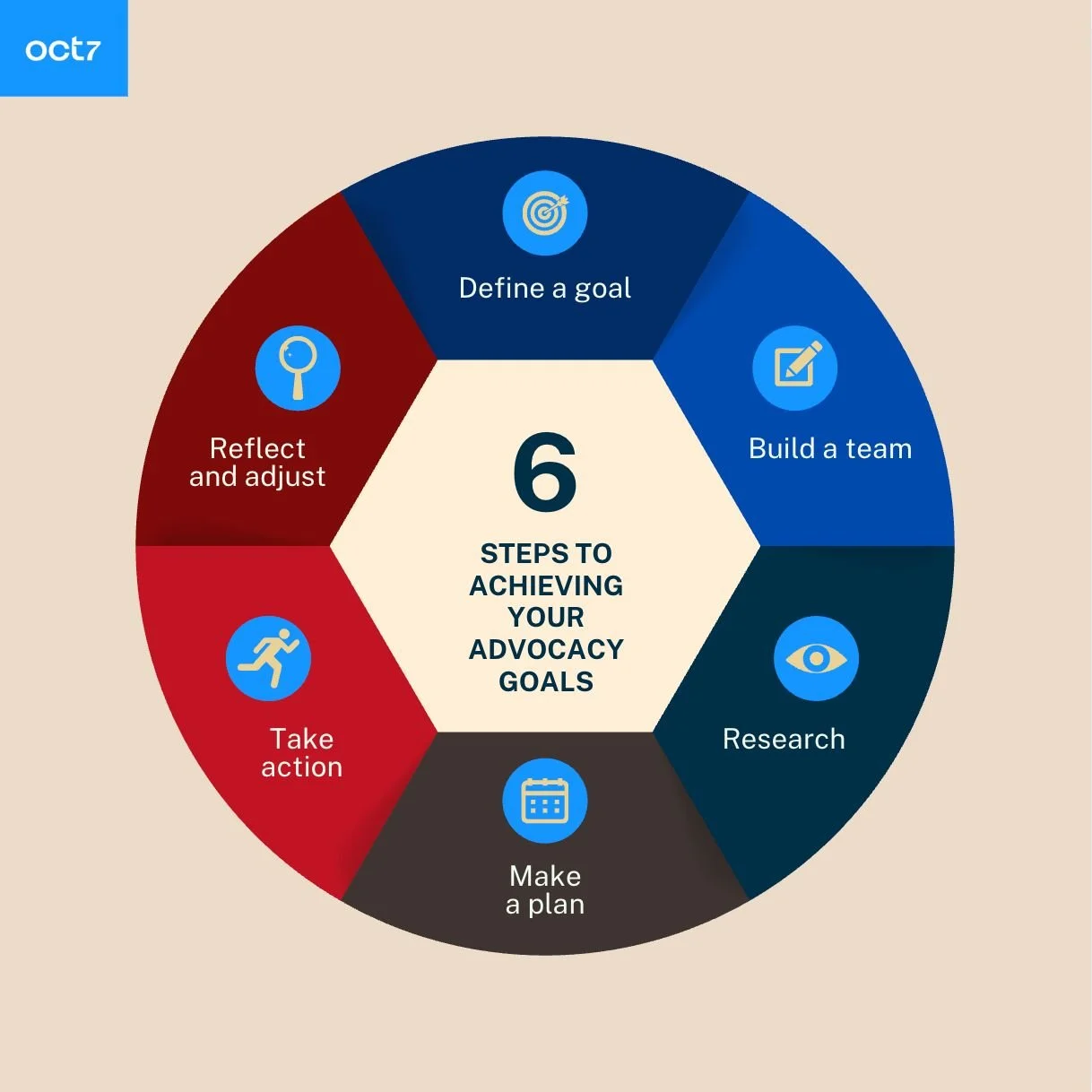
  • Create a personal advocacy plan using one or more modules. Include research, strategy, communication plan, and measurable goals.

Partners