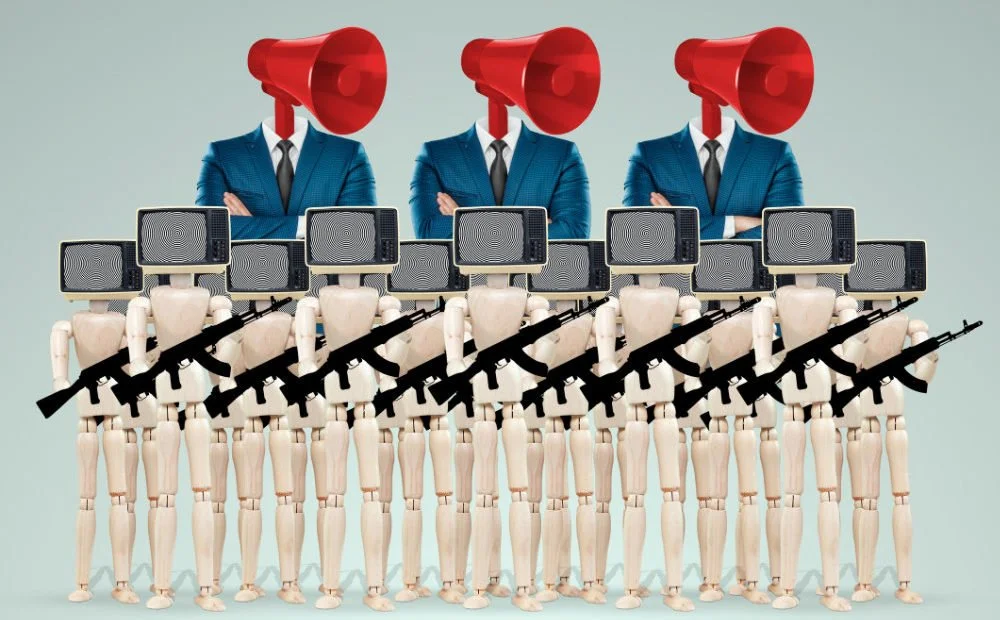
Eighth Front (Information War): Israel’s Battle for Truth
The term Information War refers to the strategic use of information channels to influence public perception, shape narratives, and control knowledge. It involves a combination of digital, traditional, and collaborative platforms.
On October 7th, the first post on X calling to “stop the genocide” appeared just after 6 a.m.—a few minutes before the Hamas attack on Israel began. Since then, Jews worldwide have been subjected to gaslighting, inverted narratives, victim-blaming, and other manipulative psychological tactics.
At its core, three main channels form the foundation of the information fronts: SEO, Media, and Wikipedia.
SEO (Search Engine Optimization)
SEO in this context refers to how we can ensure, collectively, that positive content about Israel appears before negative content when someone searches for Israel-related topics on Google.
Here are few key factors:
Website Content: We need more Articles, blog posts, and informational pages designed to rank for relevant search terms.
Keyword Optimization: Strategic use of keywords to increase visibility in search results.
Link Building: Establishing connections between websites to improve credibility and search ranking.
Analytics and Monitoring: Tracking traffic, engagement, and search trends to adjust content strategy.
Content Diversification: Using multimedia (videos, images, infographics) to enhance visibility.
Media
Media encompasses traditional and digital channels used to communicate messages, influence perceptions, and reach broad audiences.
Categories and activities include:
Journalism & Reporting: Newspapers, TV, radio, and digital news outlets.
Public Relations (PR): Press releases, official statements, media outreach, and event management.
Social Media: Platforms like Twitter/X, Facebook, Instagram, TikTok, YouTube, and LinkedIn for content dissemination and engagement.
Influencers & Opinion Leaders: Collaborating with individuals who have large followings or expertise in relevant fields.
Podcasts: Long-form or niche content that provides in-depth perspectives.
Digital Campaigns & Multimedia: Videos, graphics, memes, and interactive content to reach wider audiences.
Monitoring & Analytics: Tracking sentiment, trends, and engagement to inform strategy.
Wikipedia
Wikipedia is a reference point for millions of users, through its own traffic, through ChatGPT and through a deal with Google that prioritizes its results.
Unfortunately, Wikipedia has been taken over by hostile editors, and its neutrality has declined—what can you do to help?Article Monitoring: Regularly checking entries related to key topics.
Content Verification: Ensuring that claims are supported by reliable sources.
Editing and Updates: Making factual updates according to community guidelines.
Source Curation: Using verifiable references to support edits.
Collaboration & Discussion: Engaging with other editors to reach consensus on content.
Educational Outreach: Training contributors to follow standards for accuracy and neutrality.
Summary
The Information War can be understood through the lens of SEO, Media, and Wikipedia, each with its own detailed categories of action.
While SEO focuses on sites, links and blogs, Media handles Legacy media and social media engagement, and Wikipedia is supposed to ensures factual accuracy.
Together, these pillars feed chat gpt.
-
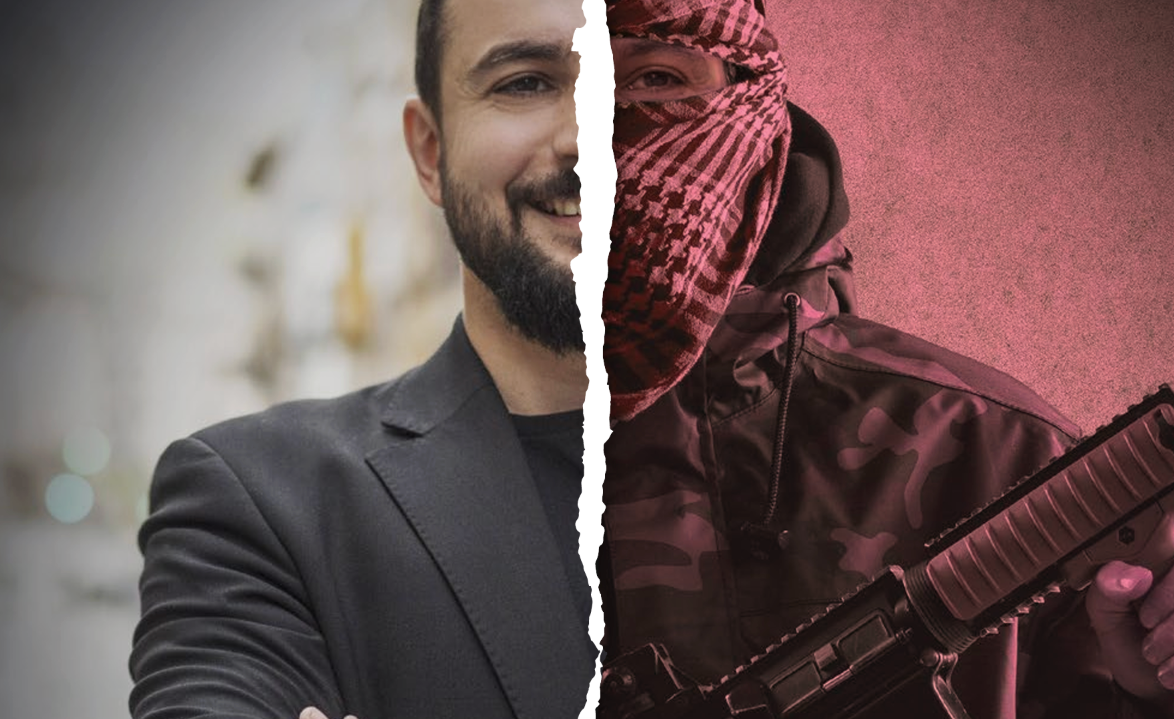
Organizations Promoting Anti-Israel Activism
-
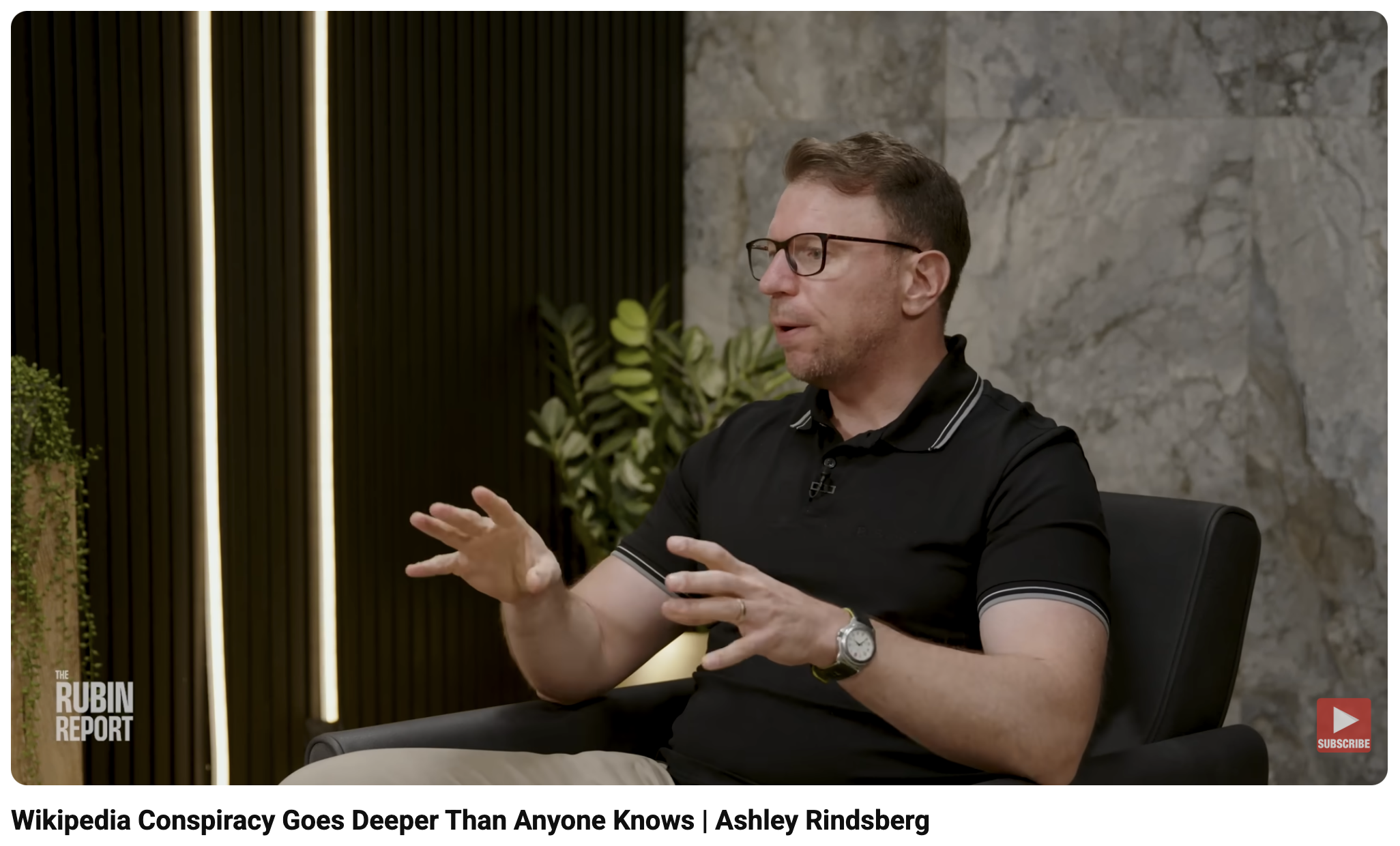
Wikipedia Conspiracy Goes Deeper Than Anyone Knows | Ashley Rindsberg
-
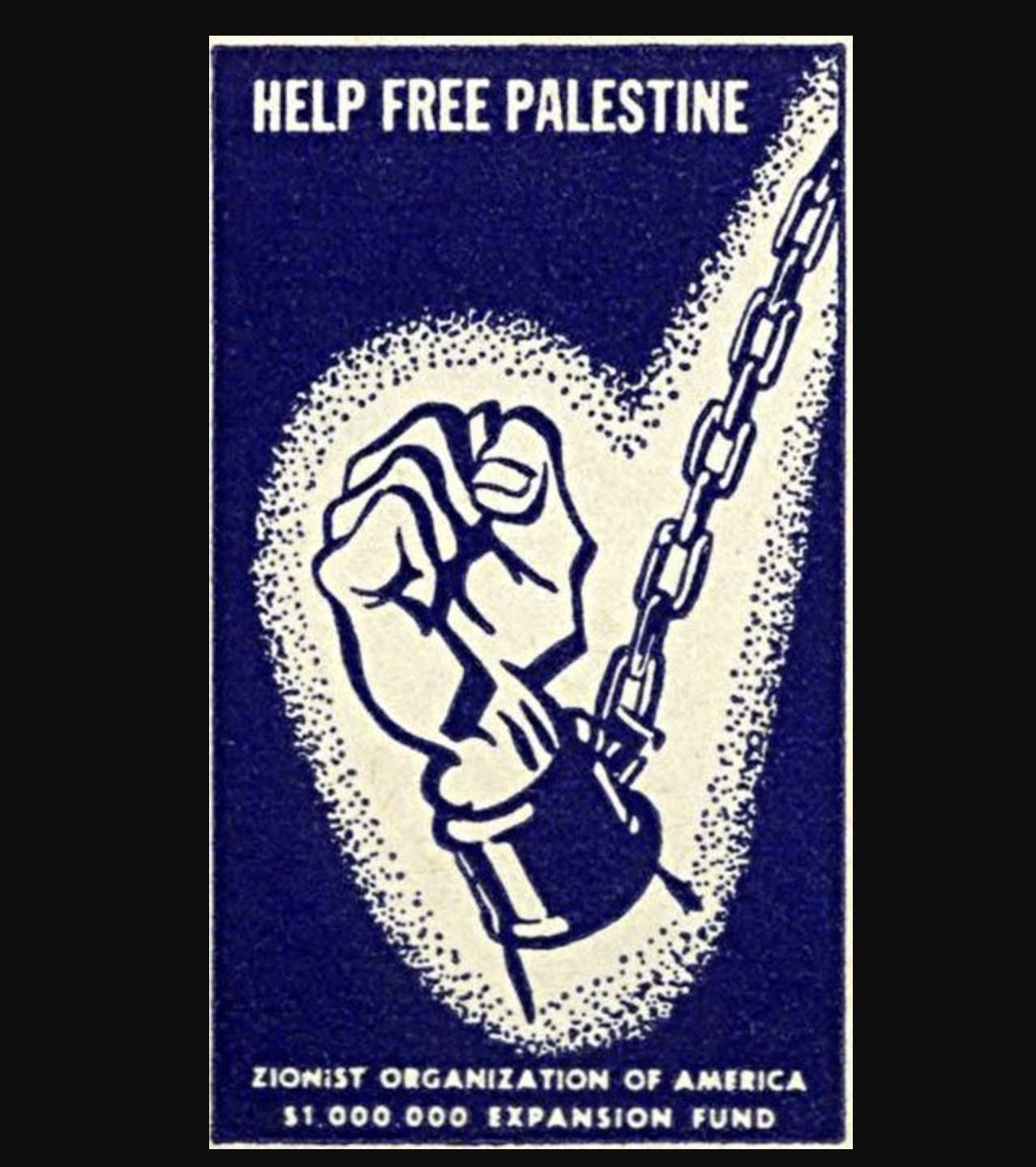
Free Palestine
-
How Social Media Has Transformed Israel’s Global Image
-
#DefundTheBBC
-

Durban 2001
-
WikiBias
-
The Great Nakba Lie by Naya Lekht