50 Demons and Evil Spirits in the Talmud
Complete List from Jewish Folklore and Sources
Discover the fascinating world of Talmudic demons (shedim, mazikin, and ruchot ra’ot) in Jewish tradition.
In the Babylonian Talmud — especially tractates like Pesachim 110b–112b, Berakhot, Gittin, and Shabbat — these entities appear as invisible or semi-visible forces that explain misfortune, illness, impurity, or dangers in daily life. Unlike independent evil beings in some other religions, Jewish sources stress that all demons operate under God’s command, serving as agents of divine justice, tests, or punishments.
This comprehensive guide lists 50 demons and evil spirits commonly referenced in Talmudic texts, Midrash, and related folklore.
While the Talmud does not provide an official "top 50" list, this compilation draws from primary sources (e.g., Pesachim for time- and place-specific spirits) and scholarly interpretations.
Modern views often see them as symbolic of psychological, moral, or pre-scientific explanations for harm.
What Are Talmudic Demons? Key Facts
- Demons are subordinate to God and not to be worshipped.
- They are numerous (thousands surround each person, per Berakhot 6a).
- They inhabit neglected places (ruins, thresholds, bathrooms, night roads) or specific times (twilight, midday, certain weekdays).
- Protection includes reciting the Shema, hand-washing (netilat yadayim), mezuzot, amulets, blessings, or avoiding negligence (e.g., uncovered water at night).
- Prominent examples: Ashmedai (king of demons), Lilith (night demon), and mazikin (invisible harmers).
Complete List: 50 Demons and Evil Spirits in Jewish Tradition
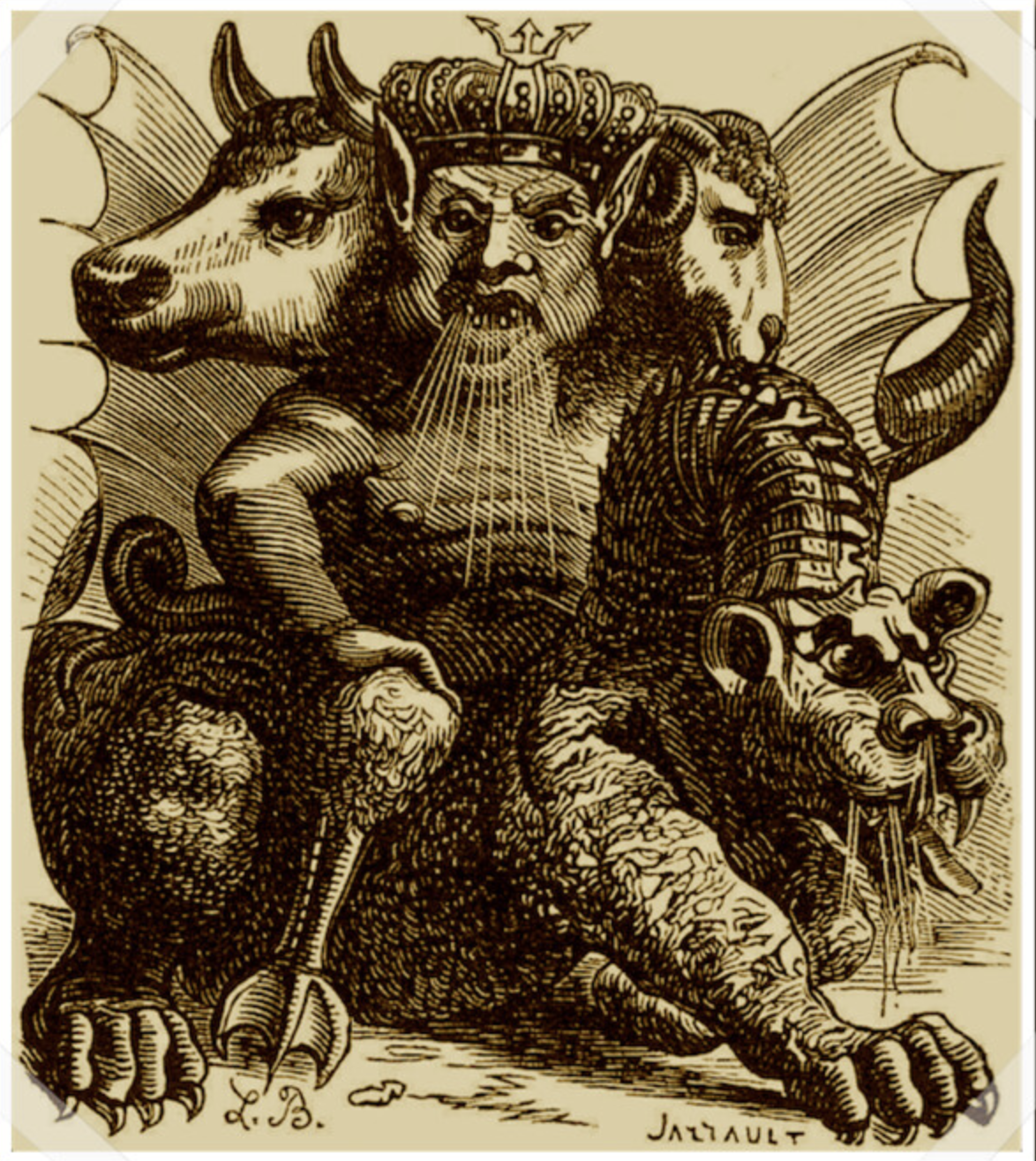
1. Ashmedai (Asmodeus) — King of demons; intelligent, shape-shifting; helps and deceives Solomon (Gittin 68a–b).
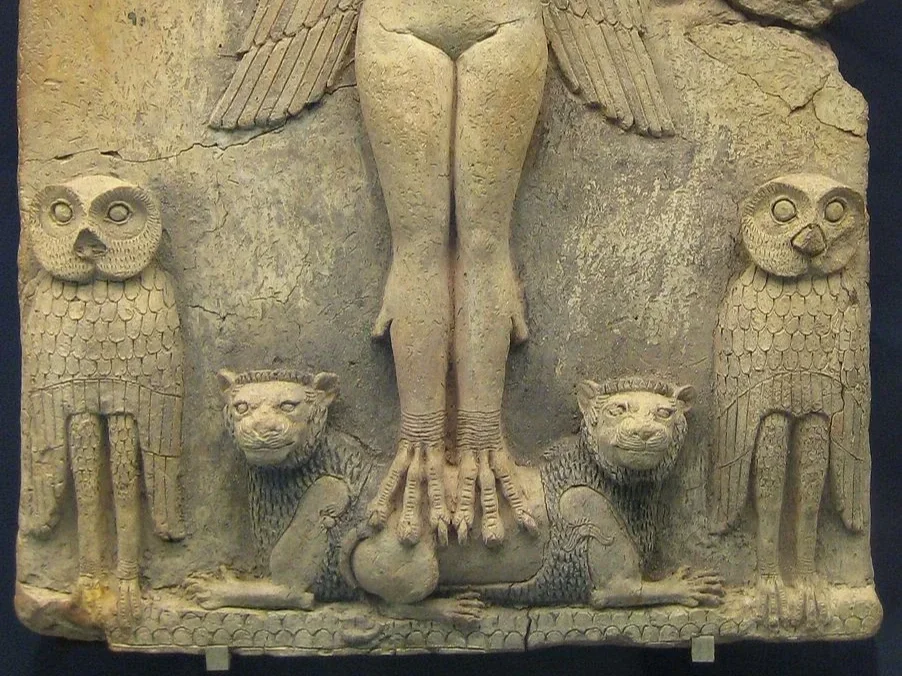
2. Lilith — Female night demon; attacks infants, tempts men; winged, long-haired (Shabbat 151b, Niddah 24b).
3. Ruach Ra’ah — Evil spirit of impurity; causes confusion, illness from negligence (Shabbat 109a).
4. Mazikin — Invisible harmful spirits; cause accidents, nuisances; surround people in thousands (Berakhot 6a).
5. Se’irim — Goat-like demons of wilderness and ruins (Pesachim 111a).
6. Ketev Meriri — Midday destructive spirit; sudden illness in heat (Pesachim 111b).
7. Agrat bat Machlat (Igrat) — Demon queen; active Wednesday/Saturday nights (Pesachim 112b).
8. Shavriri — Causes blindness from uncovered night water (Pesachim 112a).
9. Zugot (Pairs) — Danger from even-numbered actions (Pesachim 109b–110b).
10. Bar Shiriqa — Night demon of ruins; fear and accidents (Pesachim 111a).
11. Tehariri — Water spirit; illness from unprotected springs at night (Pesachim 111a).
12. Ketev Yashud Tzohorayim — Late-morning destructive spirit (Pesachim 111b).
13. Shed Yosef — Bathroom demon; ritual impurity dangers (Berakhot 62a).
14. Ben Nephilim — Giant descendant; strong but dim-witted (Yevamot 122a).
15. Ruach Tum’ah — Impurity spirit from death/idolatry (Zevachim 106a).
16. Ruach Shtut — Spirit of folly and poor judgment (Sotah 3a).
17. Malachei Chabalah — Angels of destruction; divine punishment executors (Shabbat 55a).
18. Reshef — Fiery plague-like spirit (Berakhot 5a).
19. Dever — Pestilence spirit; sudden death (Bava Kamma 60b).
20. Palga — Night demon; danger after dark (Pesachim 111a).
21. Palga Nasha — Twilight liminal demon (Pesachim 111a).
22. Shibta — Harms children via unwashed hands/food (Yoma 77b).
23. Bat Chorin — Nocturnal female road spirit; disorientation (Pesachim 111b).
24. Tzafrirei — Morning demon; dizziness/weakness (Pesachim 111b).
25. Katav — Midday heat demon; sunstroke (Pesachim 111b).
26. Ruach Tzara’at — Leprosy-like illness spirit; moral corruption (Sanhedrin 107b).
27. Ben Ruach — Mischievous spirit child; trickster (Chullin 105b).
28. Shedim of the Threshold — Doorway spirits; accidents/fear (Pesachim 112a).
29. Ruach Chorbah — Ruins spirits; fear/melancholy (Berakhot 3a).
30. Samael — Adversarial accuser/temptor (Sotah 10b).
31. Ha-Satan — Divine prosecutor/tester (Bava Batra 16a).
32. Malach HaMavet — Angel of Death; obedient to God (Avodah Zarah 20b).
33. Gibor / Gibborim — Strong/violent spirits in remote areas.
34. Lilin — Minor female night spirits; linked to Lilith.
35. Shedim of Water — River/pond/well spirits; illness/drowning.
36. Shedim of Fire — Hearth/fire spirits; burns/sudden danger.
37. Shedim of the Field — Open-field spirits; nighttime danger.
38. Akravim — Scorpion-like spirits; stings/poisoning.
39. Tzafrir — Wind spirit; storms/drafts.
40. Rimonim — Protective threshold spirits (prevent evil).
41. Se’ir Ananim — Cloud-goat storm demons.
42. Lilith’s Offspring — Minor Lilith-derived spirits; nightmares/harm.
43. Mazik ha-Ruach — Mischievous wind spirits; accidents/fright.
44. Shedim of Sleep — Dream-disturbing spirits; night terrors.
45. Ruach Cholim — Home illness spirit; spiritual-physical threat.
46. Shedim of Forgotten Places — Abandoned wells/corners spirits.
47. Ibur — Temporary possession/influence spirit (often metaphorical).
48. Ruach Metumah — Corpse impurity spirit.
49. Chayot / Wild Spirits — Animal-like wilderness spirits; frighten/attack.
50. Ruach Tzafon — North wind spirit; cold/storms/northern danger.
Why This Matters in Jewish Thought
These references highlight how ancient rabbis explained the unseen world while affirming monotheism — everything serves God's will. In modern Judaism, many interpret them metaphorically (e.g., as inner struggles or natural hazards), though folk customs like protective rituals persist.
Popular Searches Covered
Talmudic demons list, Jewish demons and spirits, Shedim mazikin in Talmud, Lilith Ashmedai demons, Pesachim demons Talmud, 50 demons Jewish folklore, Demons in Babylonian Talmud
This article draws from authentic sources like the Talmud (via Sefaria) and scholarly discussions. For primary texts, explore Pesachim 111a–112b. Questions? Share in the comments! Last updated: January 10, 2026.
Primary Talmudic Sources (Sefaria – Free Online Access to Texts)
Pesachim 111a–112b (core section on many time- and place-specific demons, e.g., Ketev Meriri, Shavriri, Agrat bat Machlat): https://www.sefaria.org/Pesachim.111a?lang=bi (and continue to 112b)
Berakhot 6a (mazikin surrounding humans in thousands): https://www.sefaria.org/Berakhot.6a?lang=bi
Gittin 68a–b (Ashmedai/Asmodeus and Solomon): https://www.sefaria.org/Gittin.68a?lang=bi
Shabbat 151b and Niddah 24b (Lilith references): https://www.sefaria.org/Shabbat.151b?lang=bi
General topic collection on Demons (curated source sheets and texts): https://www.sefaria.org/topics/demons
Scholarly and Encyclopedic Overviews
Jewish Virtual Library – Demons and Demonology (detailed historical overview): https://www.jewishvirtuallibrary.org/demons-and-demonology
Jewish Encyclopedia – Demonology (classic 1906 entry on shedim and related concepts): https://www.jewishencyclopedia.com/articles/5085-demonology
Jewish Encyclopedia – Shedim (specific on shedim): https://www.jewishencyclopedia.com/articles/13523-shedim
My Jewish Learning – Demons, Dybbuks, Ghosts, & Golems (accessible intro to Talmudic demonology): https://www.myjewishlearning.com/article/demons-dybbuks-ghosts-golems/
Wikipedia – Mazzikin (summary with Talmudic citations): https://en.wikipedia.org/wiki/Mazzikin
Wikipedia – Shedim (with biblical and Talmudic references): https://en.wikipedia.org/wiki/Shedim
Academic and In-Depth Articles
"The last Talmudic demon? The role of ritual in cultural transmission" (PMC scholarly article on demons in Babylonian Talmud and rituals): https://pmc.ncbi.nlm.nih.gov/articles/PMC7423261/
"WRESTLING WITH DEMONS: A History of Rabbinic Attitudes to Demons" by Natan Slifkin (PDF with extensive Talmudic analysis): http://www.zootorah.com/RationalistJudaism/Demons.pdf
Sefaria Topic: Demons (collection of texts and sheets): https://www.sefaria.org/topics/demons
-
Demons and demonology