Timeline of Jerusalem
c. 1000 BCE
King David names Jerusalem, and establishes it as the capital of the Jewish kingdom. Jerusalem becomes the religious, political and spiritual center of the Jewish people.
c. 960 BCE
King Solomon builds the First Temple on Mount Moriah. Jerusalem becomes the heart of Jewish worship and pilgrimage.
586 BCE
The Babylonians destroy the First Temple. The Jewish population is exiled to Babylon. Jerusalem’s destruction becomes a core moment of Jewish memory and mourning (Tisha B’Av). The longing to return to Zion (Zionism) as an independent nation begins:
“By the rivers of Babylon, there we sat and wept, when we remembered Zion.” Psalm 137
538–516 BCE
Under Persian rule, Jews return to Jerusalem. The Second Temple is built, renewing Jewish religious life in the city.
332 BCE
Jerusalem comes under Hellenistic rule after Alexander the Great’s conquest, but maintains a strong Jewish identity.
164–63 BCE
The Maccabees reclaim Jerusalem from the Seleucids, purify the Temple, and create an independent Jewish kingdom. Hanukkah commemorates this moment.
35 BCE
Jesus Is Crucified by the Romans
63 BCE
Rome takes control of Jerusalem. Jewish life continues, but tensions grow.
70 CE
The Romans destroy the Second Temple during the Great Revolt. This is one of the deepest traumas in Jewish history.
135 CE
After the Bar Kokhba Revolt, Jews are expelled from Jerusalem and the city is renamed Aelia Capitolina. Jerusalem remains central in Jewish prayer, rituals, holidays, and longing for independence.
c. 1267
Rabbi Nachmanides (Ramban) re-establishes a Jewish community in Jerusalem, which grows slowly over the centuries.
1500s–1800s
Under Ottoman rule, Jewish life in Jerusalem gradually expands. By the late 1800s, Jews form the largest religious group in the city.
1917
The British capture Jerusalem. Jewish immigration increases. The Zionist movement fights the british and the Arab.
1948
Establishment of the State of Israel.
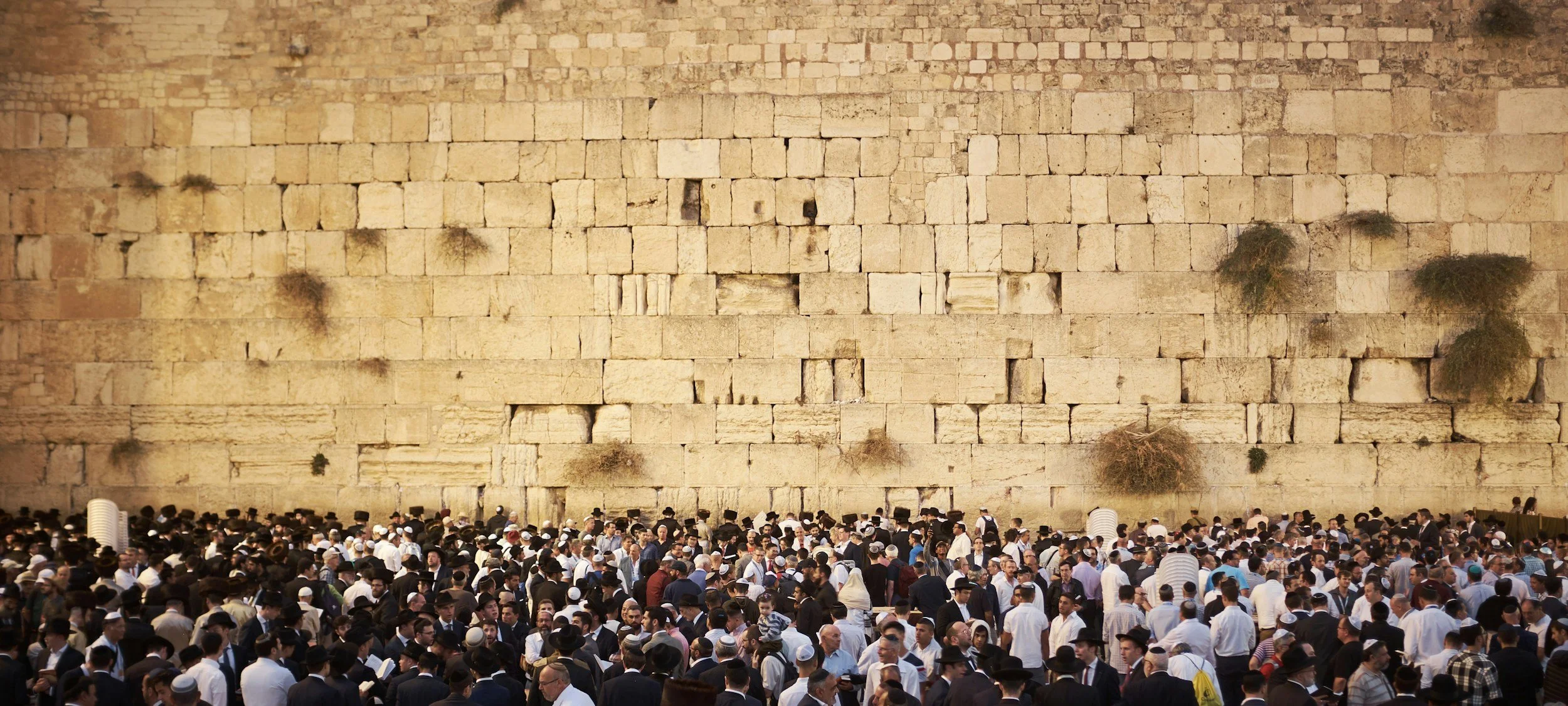
Jews return to West Jerusalem, but East Jerusalem and the Old City remain under Jordanian control. Jews cannot access the Western Wall (the remains of the temple) or the Temple Mount.
1980–Today
Israel declares Jerusalem its official capital. Jewish religious, cultural, and communal life continues to grow. Jerusalem remains the center of Jewish identity, history, and spiritual life.
-
-
Jewish Virtual Library
-
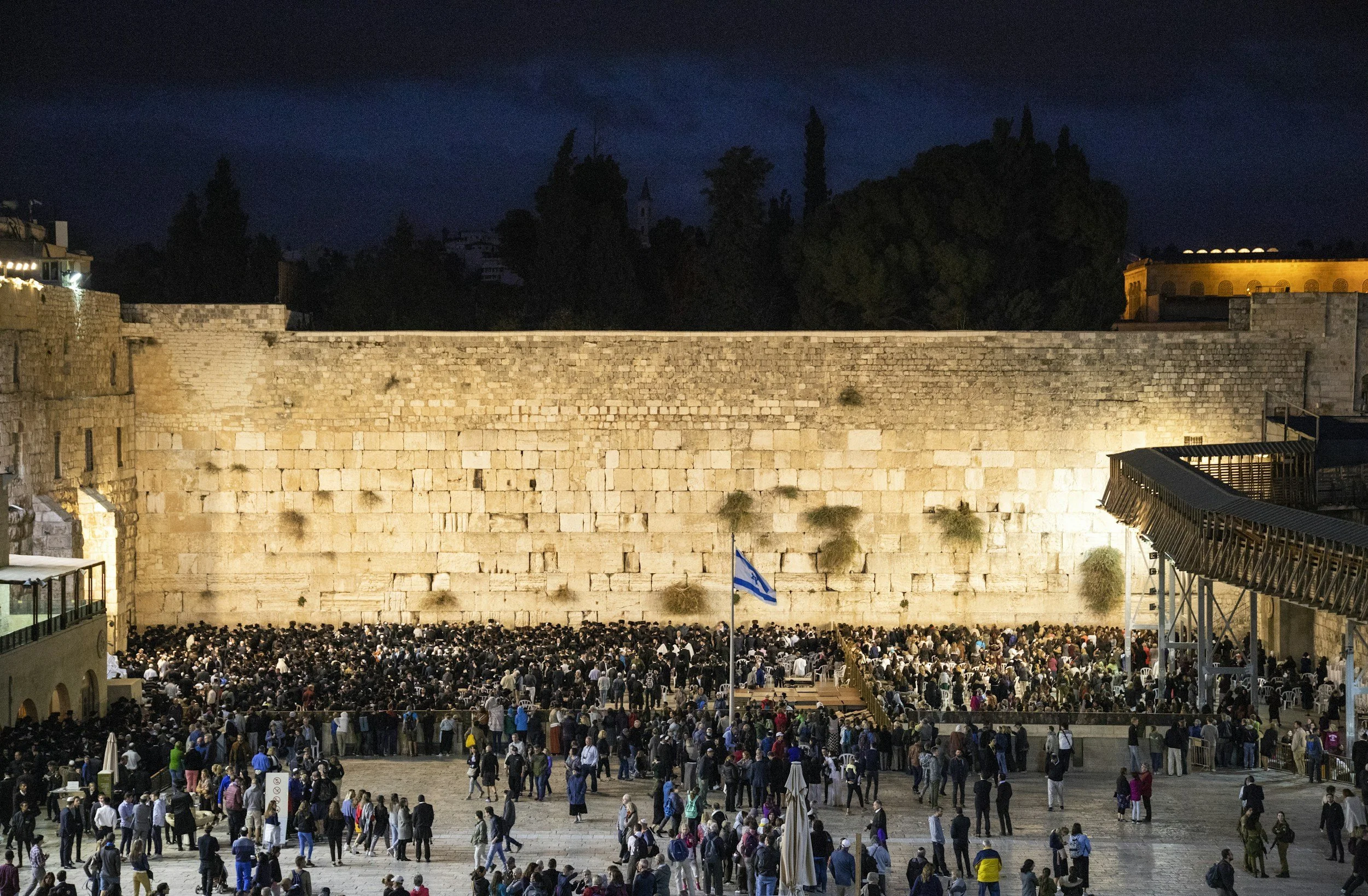
Wikipedia Jerusalem
-
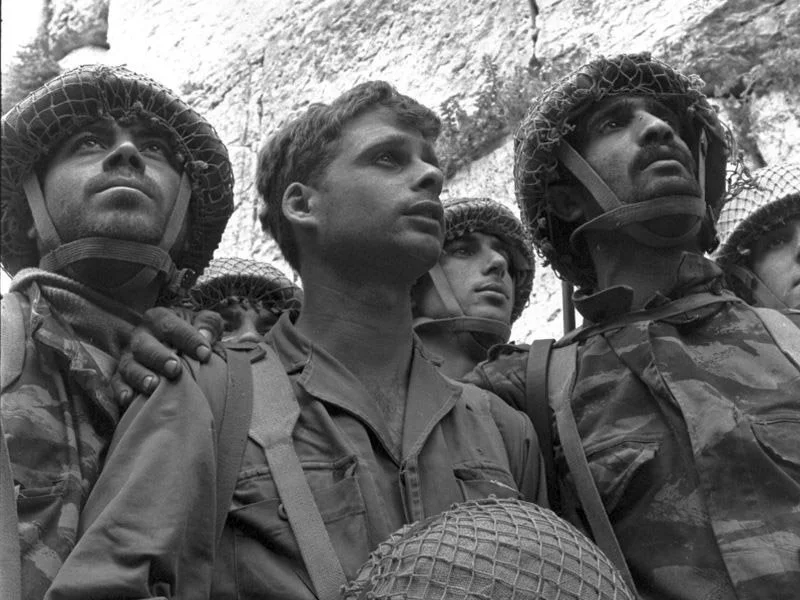
67 War
-
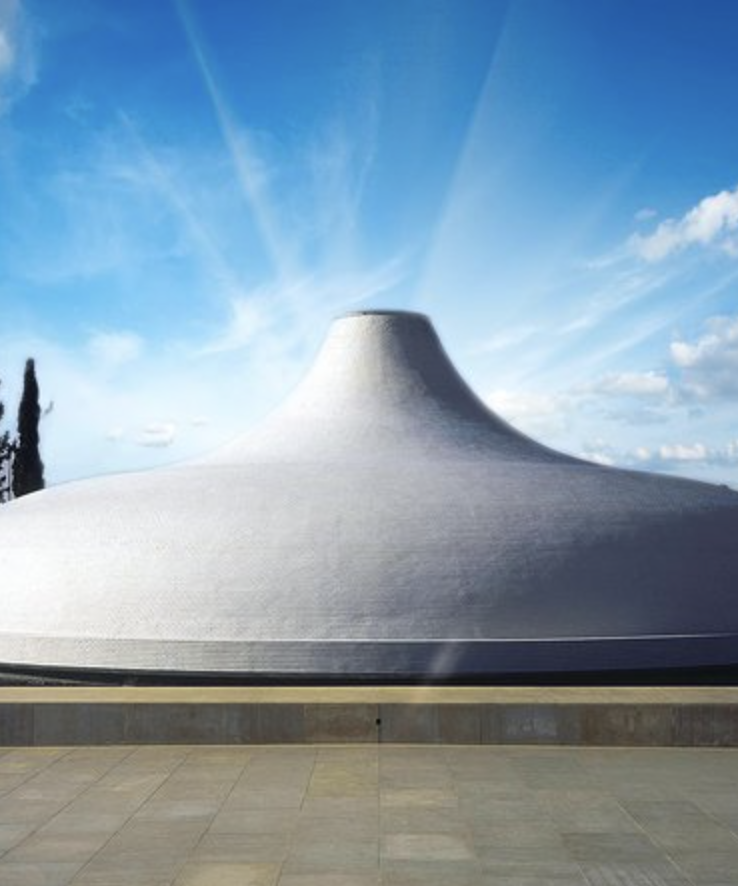
Israel Museum, Jerusalem
-
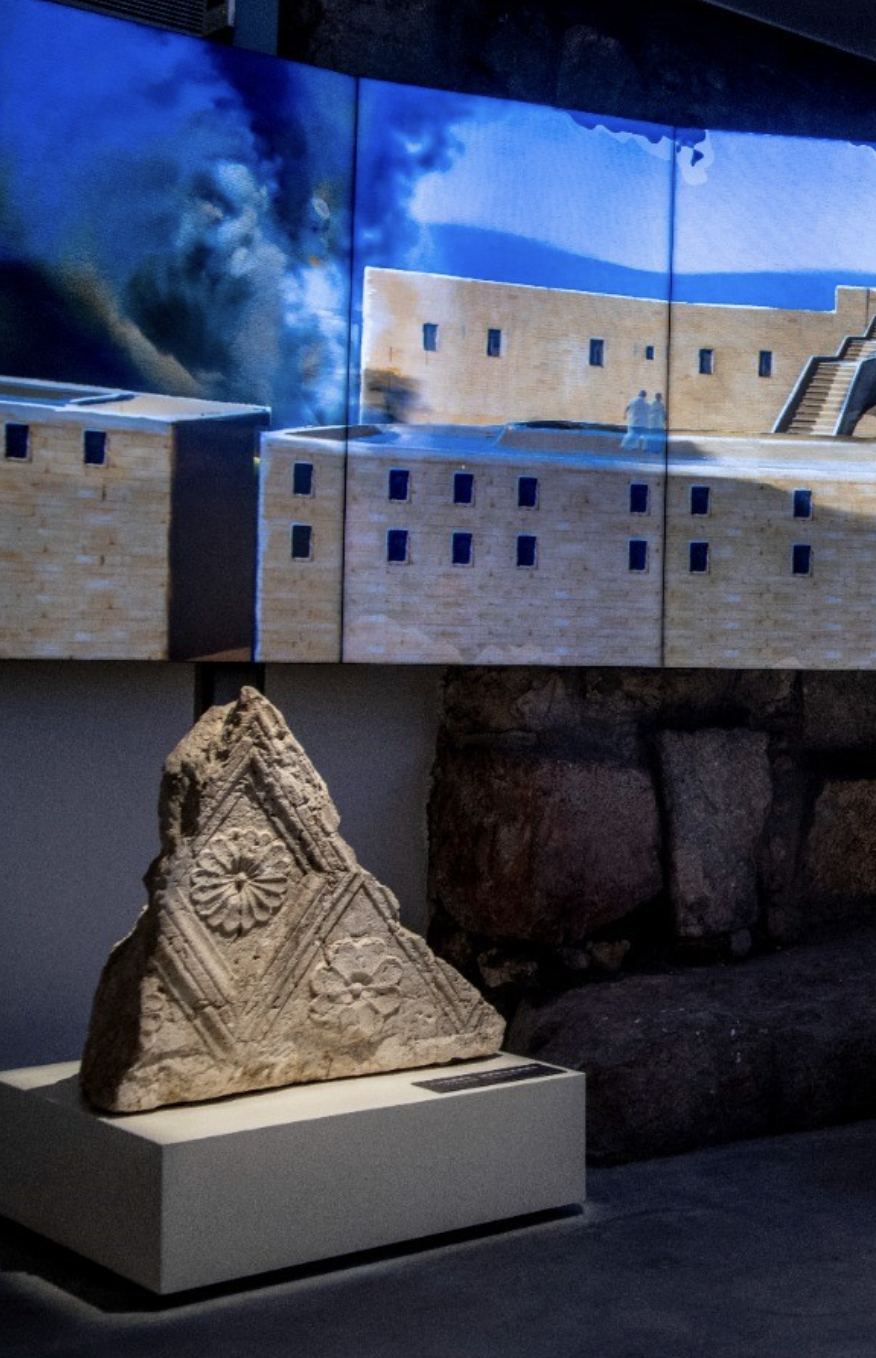
Israeli Antiquity Authority
-
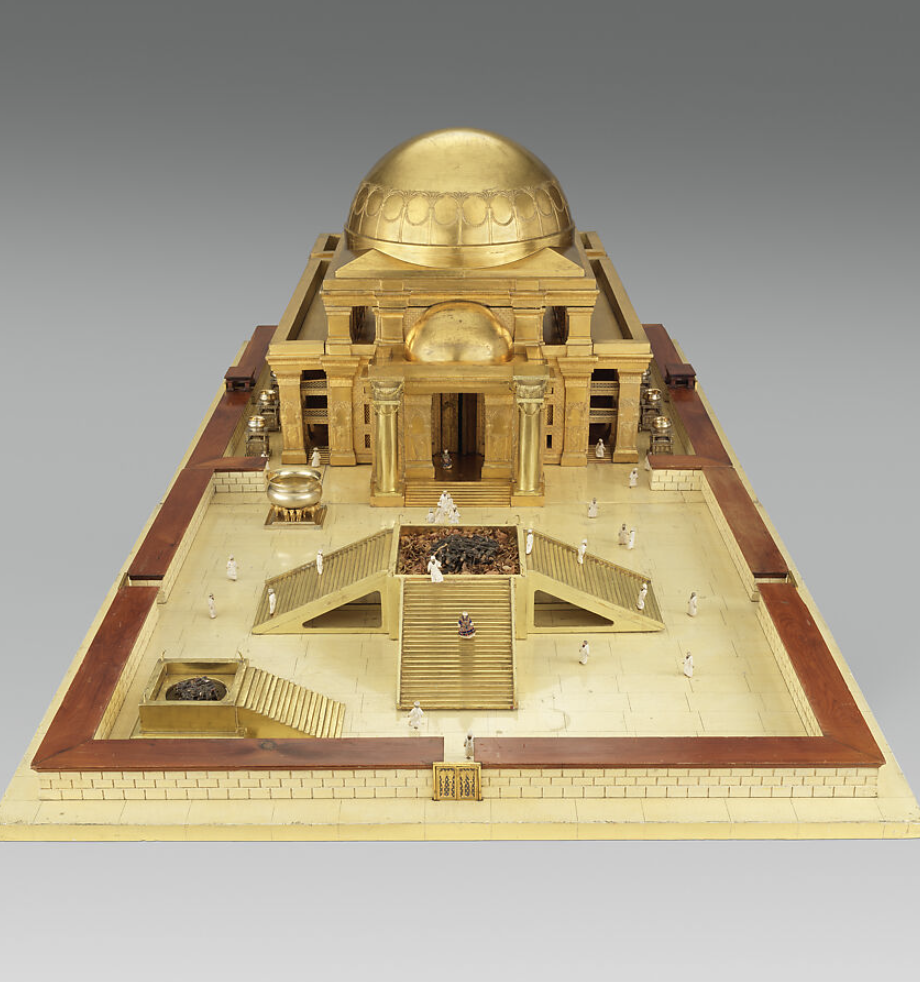
Solomon`s Temple
-