Understanding the Global Caliphate Ideology, practices, and organizations.
What do Christians, Hindus, Jews, Druze and Iranians have in common? We are all currently under attack by Islamists who dream of a global caliphate [1,2,5,8,21,23,24].
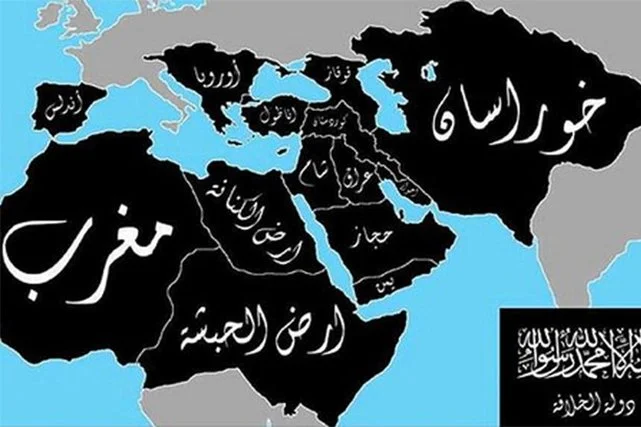
Although the idea of a “global caliphate” originated with Islam in the 7th century, it is still alive and kicking today, aiming to unify religious and political authority under Sharia law globally [2,8,14,19,20,26,27]. Currently using Jew hatred as a Trojan horse to facilitate their expansion in the West.
The Quran divides the world into believers and Kafirs (non-believers) [2,5,12,15,22]. Allah loves the Muslims and hates the Kafirs [2,5,12,22]. The stated purpose of the Quran is to create a world with no Kafirs [2,5,12,15,22].
This ideology underlies many current examples of mass violence and terror, including the October 7 massacre in Israel, the massacre of Druze in Syria, the killing of Christians in parts of the Middle East and Africa, attacks on Hindus in India, the establishment of the Islamic Republic of Iran, and the persecution of Kurds, Yazidis, and many others, including in war zones such as Syria, Iraq, Yemen, Lebanon, Libya, Mali, Burkina Faso, Niger, Nigeria, Somalia, Afghanistan, Pakistan, India (Kashmir), the Philippines, the Democratic Republic of the Congo, the Central African Republic, Chad, Cameroon, Ethiopia, Mozambique, Western Sahara, Morocco, Tunisia, Algeria, and Iran [1,2,6,7,8,9,13,16,17,21,23,24,26,27,28,35].
***
It is critical to distinguish between political Islamists, who seek Islamic expansion and domination, and religious Muslims, who support the concept of independent states and aim to normalize relations and pursue peace agreements with other countries, such as the Abraham Accords [2,5,14,15,22,25].
Main Features of a Global Caliphate
No National Sovereignty: A single centralized authority claims both religious and political power, replacing independent countries [2,8,14,19,21,23,26].
Uniform Legal System: Strict Sharia law serves as the sole legal framework worldwide [2,8,14,17,18,19,26,27].
Monoculture Enforcement: Freedom of religion and cultural expression is banned, imposing uniform beliefs and practices [2,5,8,15,17,19,22].
Violation of Human Rights: Women are suppressed, LGBTQ+ face execution, child marriage, slavery, honor killing and human trafficking are permitted [2,8,16,17,18,19,24].
Militarized Control: Violence and terror are systematically used to maintain authority and expand territory [1,2,6,7,9,13,14,20,21,23,25].
Cultural Destruction and Appropriation: Historic sites, cultural heritage, and diverse traditions are destroyed or co-opted [2,8,16,17,24,26,35].
Glossary
House of Peace (Dar al-Salam)
Definition: Territory under Islamic rule where Islamic law (Sharia) is applied and Muslims are in control [2,9,12,14,19,22].
House of War (Dar al-Harb)
Definition: Territory not governed by Islamic rule, where Muslims do not have political control. By definition in war [2,9,12,14,22].
Kafirs
Islam divides humanity into Muslims, non-Muslims (Kafirs), and Dhimmis [2,5,12,15,22]. Political Islam aims to convert, subjugate, or annihilate Kafirs, portraying them as hated by God and unworthy of true friendship with Muslims [2,5,12,15,16,22]. Under this ideology, extreme abuses—enslavement, sexual violence, killing, humiliation—are justified, and Kafirs are treated as less than fully human [2,5,8,12,15,16,22].
Dhimmis
Christians and Jews living under Islamic rule could:
Convert to Islam → become full citizens, or
Remain Christian/Jew → pay a special tax (jizyah) and enter dhimmi status [2,10,15,22,24].
Dhimmis are “semi-slaves” who are humiliated and subjugated under Islamic law [2,10,15,22,24]. Dhimmi status led to the decline of Christianity in places such as the Middle East and Turkey [10,15,22,24,35].
Violent Jihad (Jihad bil Saif)
Definition: Literally means “struggle by the sword,” referring to the use of armed force in the expansion of Islam [3,4,6,7,9,12,13,14,20,23].
Key Features:
Military campaigns or armed conflict [1,3,6,7,9,13,20,23].
Often framed as defending Islam or imposing strict Sharia rule [3,6,7,9,14,20].
Used by extremist groups to justify attacks on civilians, governments, or minorities [1,3,6,7,13,14,20,21,25].
Non-Violent Jihad
Definition: The expansion or influence of Islam through non-violent means [2,7,12,14,19,25].
Key Features:
Immigration and settlement in non-Muslim societies [2,7,12,25].
Higher birth rates in Muslim communities as a demographic strategy [2,25].
Political influence: lobbying, legislation, and public policy advocacy [2,7,14,19,25].
Propaganda and media campaigns promoting Islamic ideas or values [7,14,25,30].
Legal and financial strategies to shape society, culture, and institutions [2,7,19,25].
Cultural influence: education, religious institutions, charities, and community organizations [2,7,14,25].
Institutionalized Jew Hatred Practices in the Muslim World
Antisemitism in the Muslim world is often state-driven and reinforced by laws, education, and media [1,2]. Historically, it has also manifested in the mass expulsion of Jewish communities from Arab countries, including Iraq, Egypt, Libya, Yemen, Syria, Morocco, Algeria, and others, forcing hundreds of thousands to leave their homes and properties behind [1,2,3].
Institutionalized Jew Hatred includes policies such as Anti-normalization guidelines, Pay-for-Slay, Travel Bans, state-controlled media campaigns, educational indoctrination, legal and political exclusion, social and cultural ostracism, and international NGO control [2,3,4].
Anti-normalization guidelines are political, economic, cultural, and social rules designed to prevent engagement with Israel, Israelis, and Jews [2,3,4]. Since the Durban 2001 ‘NGO Forum,’ BDS and BDS-aligned organizations have been spreading these guidelines in the West under the guise of morally justified resistance [3,4,5].
Pay-for-Slay is a policy associated primarily with the Palestinian Authority (PA) and Hamas, in which individuals who carry out attacks against Israelis—including shootings, stabbings, or bombings—and their families receive financial payments, stipends, property, and social benefits [2,3]. These payments are framed as “martyr payments” and incentivize terrorism [2,3].
Travel Bans are another tool of exclusion. Several countries aligned with the global caliphate refuse entry to Israelis, including Afghanistan, Algeria, Bangladesh, Brunei, Iran, Iraq, Kuwait, Lebanon, Libya, Malaysia, Maldives, Oman, Pakistan, Saudi Arabia, Syria, and Yemen, effectively preventing any engagement with the Jewish state [1,2].
State-controlled media campaigns propagate antisemitic narratives, conspiracy theories about Jewish control of finance or media, and portray Jews and Israel as existential enemies [2,3,5].
Educational indoctrination embeds antisemitic content in curricula and religious instruction, teaching children that Jews and Israel are evil and that normal engagement with them is illegitimate [1,3]. In many countries, the Israeli flag is painted on the ground, forcing students to spit on it or step on it on their way into class [2,3].
Legal and political exclusion restricts Jews or Israelis from government jobs, political participation, or public activities in some countries, while remnants of historic dhimmi laws continue to affect property and civil rights [2,3].
Social and cultural ostracism punishes individuals or institutions that interact with Jews or Israelis through blacklisting, intimidation, or social exclusion [3,4].
International NGO control through BDS-aligned networks enforces anti-normalization globally, influencing academic conferences, unions, cultural events, and corporate partnerships to prevent engagement with Israel [3,4,5].
Collectively, these policies create a systemic, multi-layered framework of antisemitism that delegitimizes Israel, punishes engagement with Jews or Israelis, and enforces the ideological goals of the global Islamist agenda [1,2,3,4,5].
Islamic orgs worldwide
Not all Islamist organizations are militant, many operate primarily in political, educational, or social domains. However, all oppose Israel`s existence, and are complicit in the ongoing hate and boycott against it.
Governmental / Intergovernmental
Organization of Islamic Cooperation (OIC) – Jeddah, Saudi Arabia – An intergovernmental coalition of 57 member countries.
Gulf Cooperation Council (GCC) – Riyadh, Saudi Arabia – Intergovernmental
Arab League – Cairo, Egypt – Intergovernmental / Regional Political & Economic
Economic Cooperation Organization (ECO) – Tehran, Iran – Intergovernmental
International Islamic Fiqh Academy – Jeddah, Saudi Arabia – Advisory to OIC
Al-Azhar University & Grand Imam – Cairo, Egypt – Religious / Educational Authority
Muslim World League (Rabita al-Alam al-Islami) – Mecca, Saudi Arabia – Religious
Dar al-Ifta al-Misriyyah – Cairo, Egypt – Religious / Fatwa Authority
Islamic Broadcasting Union (IBU) – OIC-affiliated – Media / Religious Broadcasting
NGOs
Al-Ahram Center for Political & Strategic Studies – Egypt – Policy & Regional Politics
King Faisal Center for Research & Islamic Studies (KFCRIS) – Saudi Arabia – Think Tank
Brookings Doha Center – Qatar – Think Tank / Policy Research
Islamic Research and Training Institute (IRTI) – Jeddah, Saudi Arabia – Think Tank
Middle East Institute – Multiple locations – Think Tank / Policy Research
International Institute for Islamic Thought (IIIT) – USA-based – Think Tank
Turkish Economic and Social Studies Foundation (TESEV) – Turkey – Think Tank
Advocacy & Civil Rights
Council on American-Islamic Relations (CAIR) – USA – Advocacy
Muslim Public Affairs Council (MPAC) – USA – Advocacy
Islamic Society of North America (ISNA) – USA/Canada – Advocacy
Muslim Association of Britain (MAB) – UK – Civic , Community & Policy Advocacy
Muslim Advocates – USA – Legal Advocacy, Civil Rights
Activists NGOs
BDS Movement – Global – Activist / Advocacy & Boycott Campaigns
Palestinian Solidarity Campaign (PSC) – UK – Activist / Advocacy & Boycott Campaigns
Friends of Al-Aqsa (FOA) – UK – Advocacy / Human Rights & Education
US Campaign for Palestinian Rights (USCPR) – USA – Advocacy & Lobbying
International Solidarity Movement (ISM) – Global – Activism & Campaigns
Al-Quds Foundation – Global – Advocacy & Humanitarian Aid for Palestine
Jewish Voice for Peace (JVP) – USA – Advocacy
Religious / Transnational Scholarly Networks:
International Union of Muslim Scholars (IUMS) – Qatar, global – Religious
European Council for Fatwa & Research (ECFR) – Europe – Religious
Hizb ut-Tahrir – Global – Ideological / Transnational Islamic Political Network
Militant organization
ISIS / ISIL / Daesh - Syria, Iraq, and global affiliates; seeks a transnational Islamic caliphate under strict Salafi-jihadist law through terrorism and territorial control.
Al-Qaeda - Global network with regional franchises; aims to overthrow secular governments and establish a global caliphate using terrorism and guerrilla warfare.
Boko Haram - Nigeria and neighboring West African countries; advocates an Islamic state and broader caliphate through insurgency, terrorism, and kidnappings.
Hay’at Tahrir al-Sham (HTS) - Syria (formerly Jabhat al-Nusra); pursues a Salafi-jihadist caliphate via insurgency, terrorism, and governance of controlled areas.
Al-Shabaab - Somalia and East Africa; seeks an Islamic state and broader caliphate through terrorism, insurgency, and propaganda.
Lashkar-e-Taiba (LeT) - South Asia (Pakistan, India); promotes global jihadist goals and caliphate ambitions through terrorism, militant training, and ideological recruitment.
Turkistan Islamic Party (TIP) - Central Asia and China; advocates establishing an Islamic state in Xinjiang with broader caliphate ambitions through terrorism and insurgency.
Media
https://support.islamchannel.tv/
Social
https://www.instagram.com/islamchannel/
Resources
Understanding the Global Caliphate Ideology, practices, and organizations.
Jewish Virtual Library. The evolution of the concept of jihad.
Warner, B. (2021). Factual persuasion. Center for the Study of Political Islam.
Bar, S. (2006). Jihad ideology in light of contemporary fatwas. Hudson Institute.
Darwish, N. (2009). Cruel and usual punishment. Regnery Publishing.
Nesser, P. (2006). Jihad in Europe. Norwegian Defence Research Establishment.
The Areopagus Journal. (2000). Is Islam a religion of peace?
Warner, B. (2019). The Hadith. Center for the Study of Political Islam.
Canadian Centre for Intelligence and Security Studies. ITAC presents.
Blanchard, C. M. (2007). The Islamic traditions of Wahhabism and Salafiyya.
Warner, B. (2020). Self study course level 2. Center for the Study of Political Islam.
Warner, B. (2019). The Islamic doctrine of slavery. Center for the Study of Political Islam.
Winter, O. (2015). The Islamic caliphate: A controversial consensus.
Blanchard, C. M. (2007). The Islamic traditions of Wahhabism and Salafiyya.
Hoffman, A. (2015). The Islamic State’s use of social media.
United States Holocaust Memorial Museum. People of the book.
Institutionalized Jew Hatred Practices in the Muslim World
-

The Hamas Network in America
-
-
Caspii - Political Islam
-
#WomanLifeFreedom
-
Jerusalem Center for Security and Foreign Affairs
-
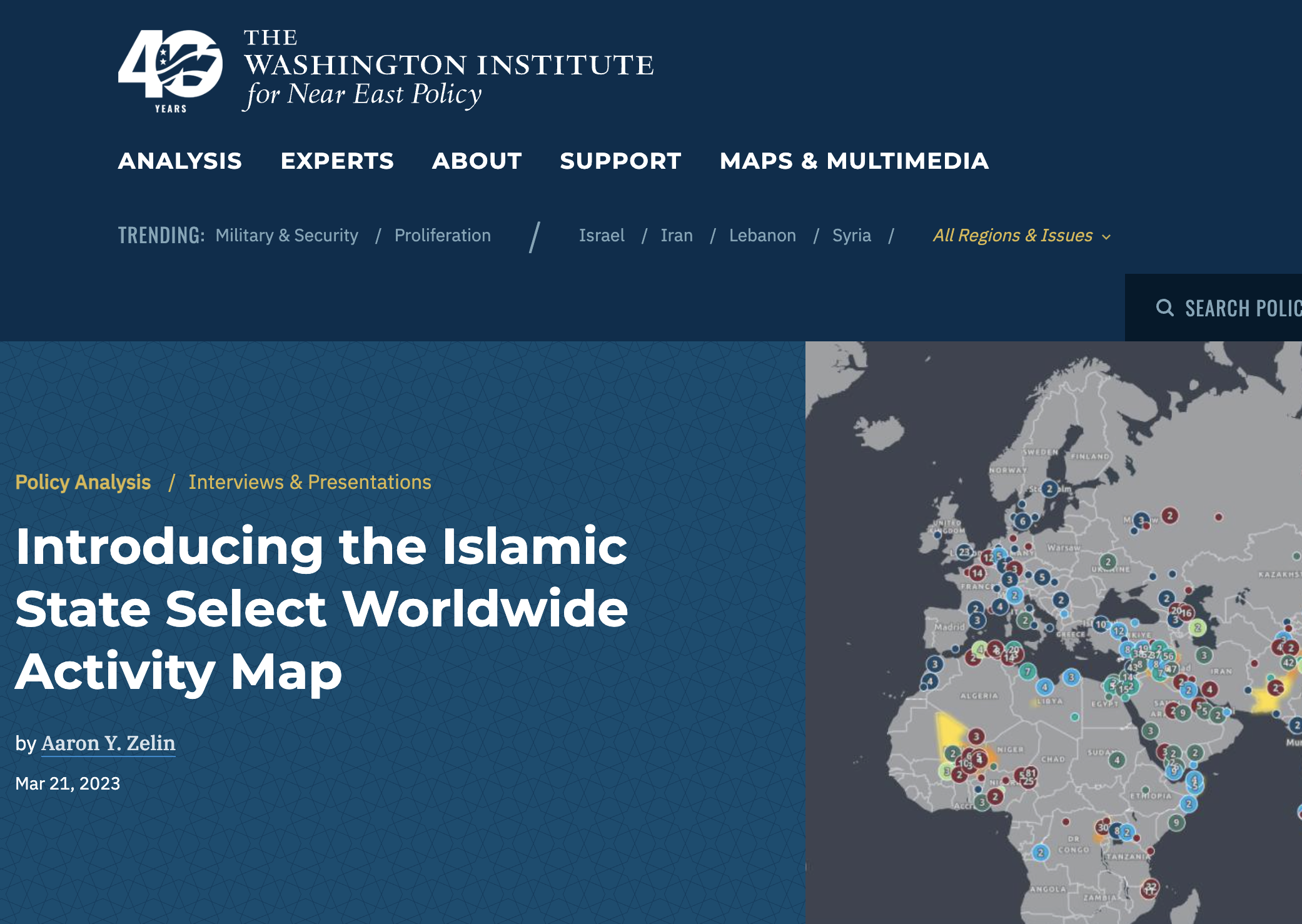
-
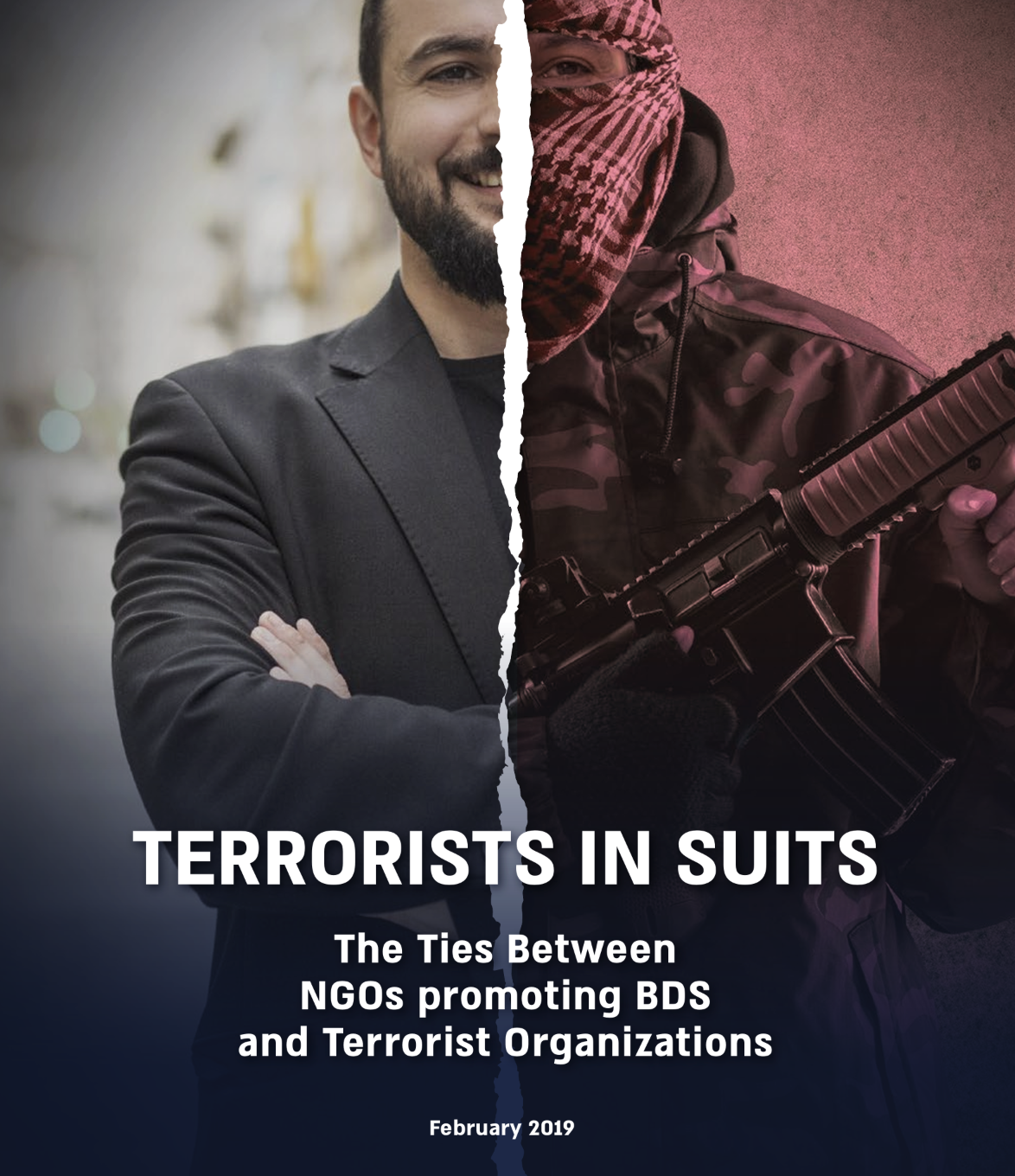
-

Book Burning – A Long Cherished Tradition in Fundamental Islam
-
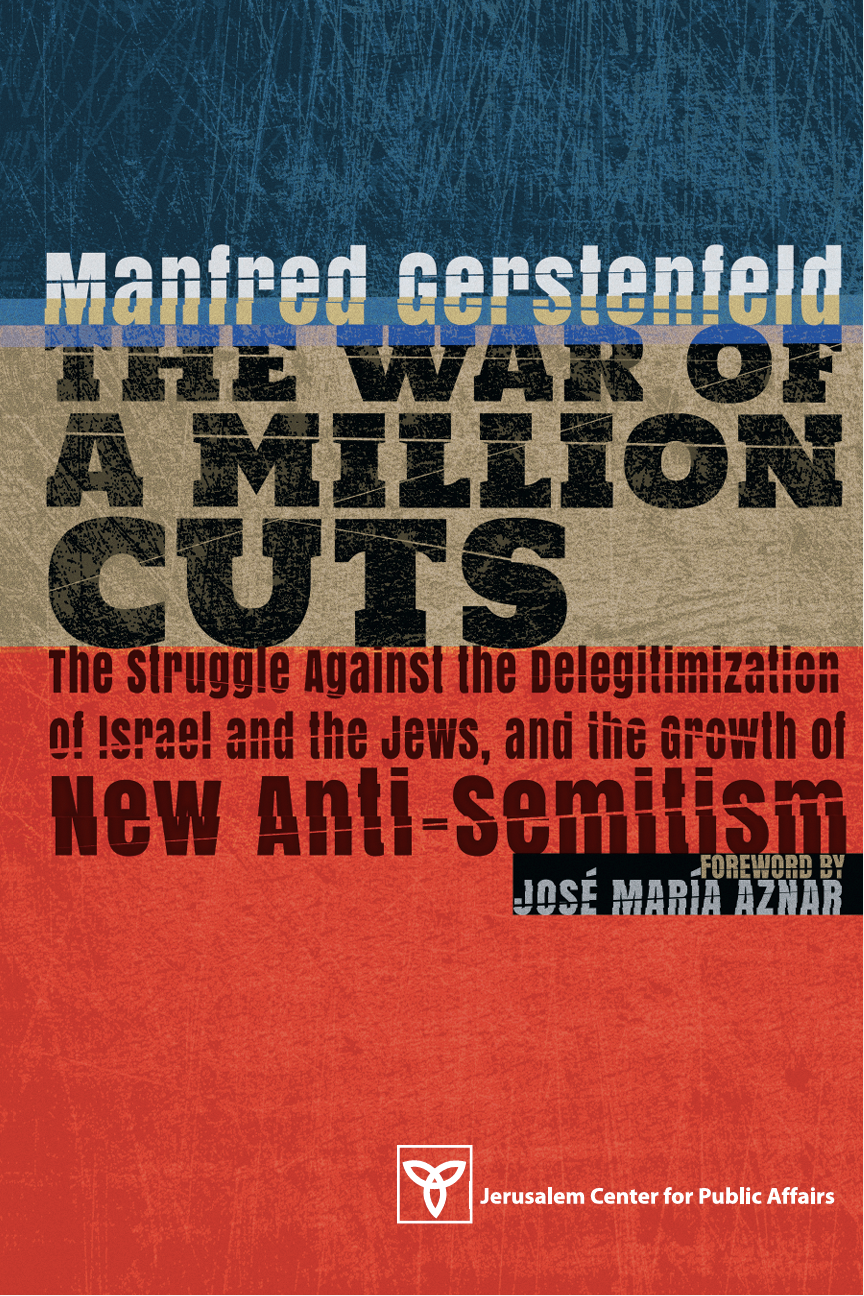
The War of a Million Cuts
-
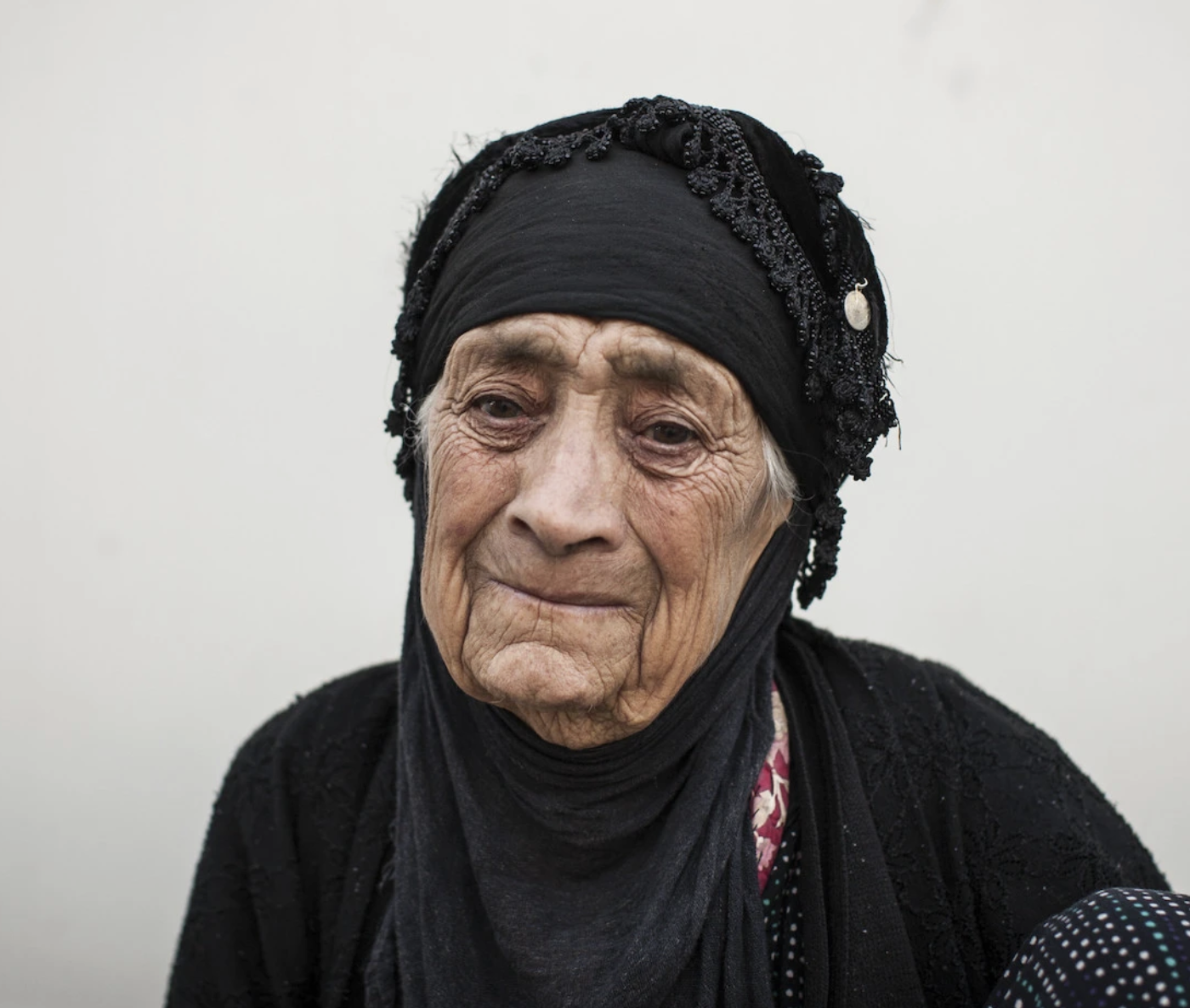
The 8th Anniversary of the Yezidi Genocide
-
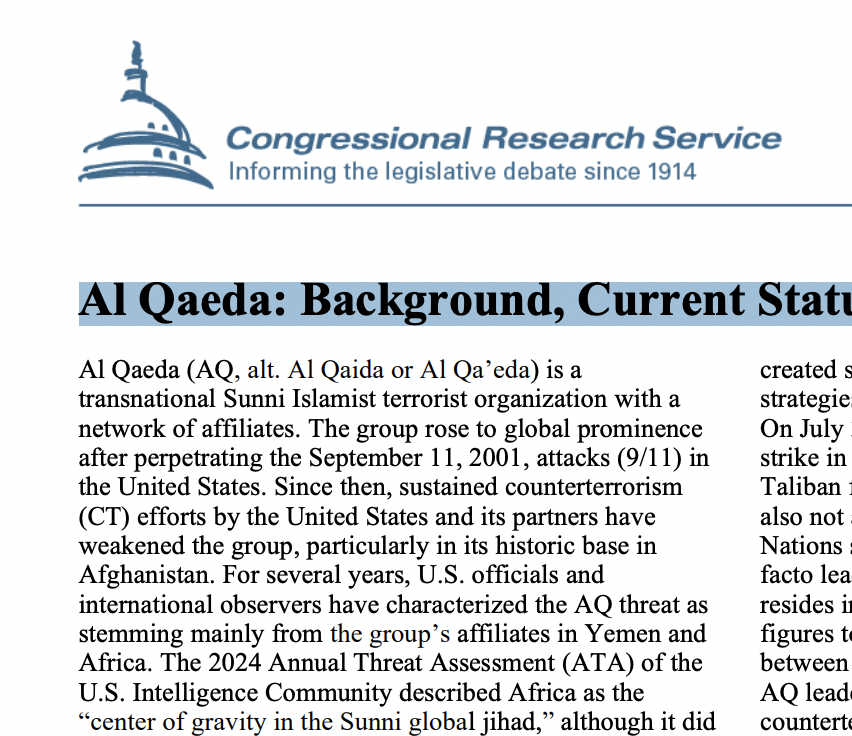
Al Qaeda: Background, Current Status, and U.S. Policy
-

Save The Druze - Mansur Ashkar on the Charlie Kirk show