Protect Sport
Defending Israel’s Place in International Athletics
What is BDS doing to Israel in sport?
The BDS campaign in sports seeks to exclude Israeli teams and athletes from international competitions. This is about isolating Israel and erasing it from global public life. The movement pressures athletes, clubs, and federations to refuse to play against Israelis or to host events in Israel.
This is an attempt to import “anti-normalisation” rules — common in the Arab world — into Western sports culture. Anti-normalisation means cooperation, dialogue, contact with Israelis or jews is a crime punishable by law .
BDS tries to impose this approach in the West, pushing sports to become a space of racism and discrimination instead of connection.
Sports should be a bridge, not a battlefield.
Israeli athletes are individuals, not government spokespeople.
Singling out Israelis is discriminatory, therefore illegal.
The campaign works to delegitimize Israel’s existence as part of their global caliphate project, where non muslim have no right to exist.
Recent examples of BDS campaigns in sport
Puma Boycott (2018–present): BDS called for a global boycott after Puma signed a sponsorship deal with the Israel Football Association, which included clubs in disputed territories. (Israel Hayom)
Israel–Premier Tech Cycling Team: The team faced protests and public criticism in 2025 regarding its name and Israeli identity during international tours. (Wikipedia)
Reebok Sponsorship Controversy (2025): Reports indicated Reebok considered removing its logo from Israeli national team jerseys due to boycott pressure, though the decision was later reversed. (Bild)
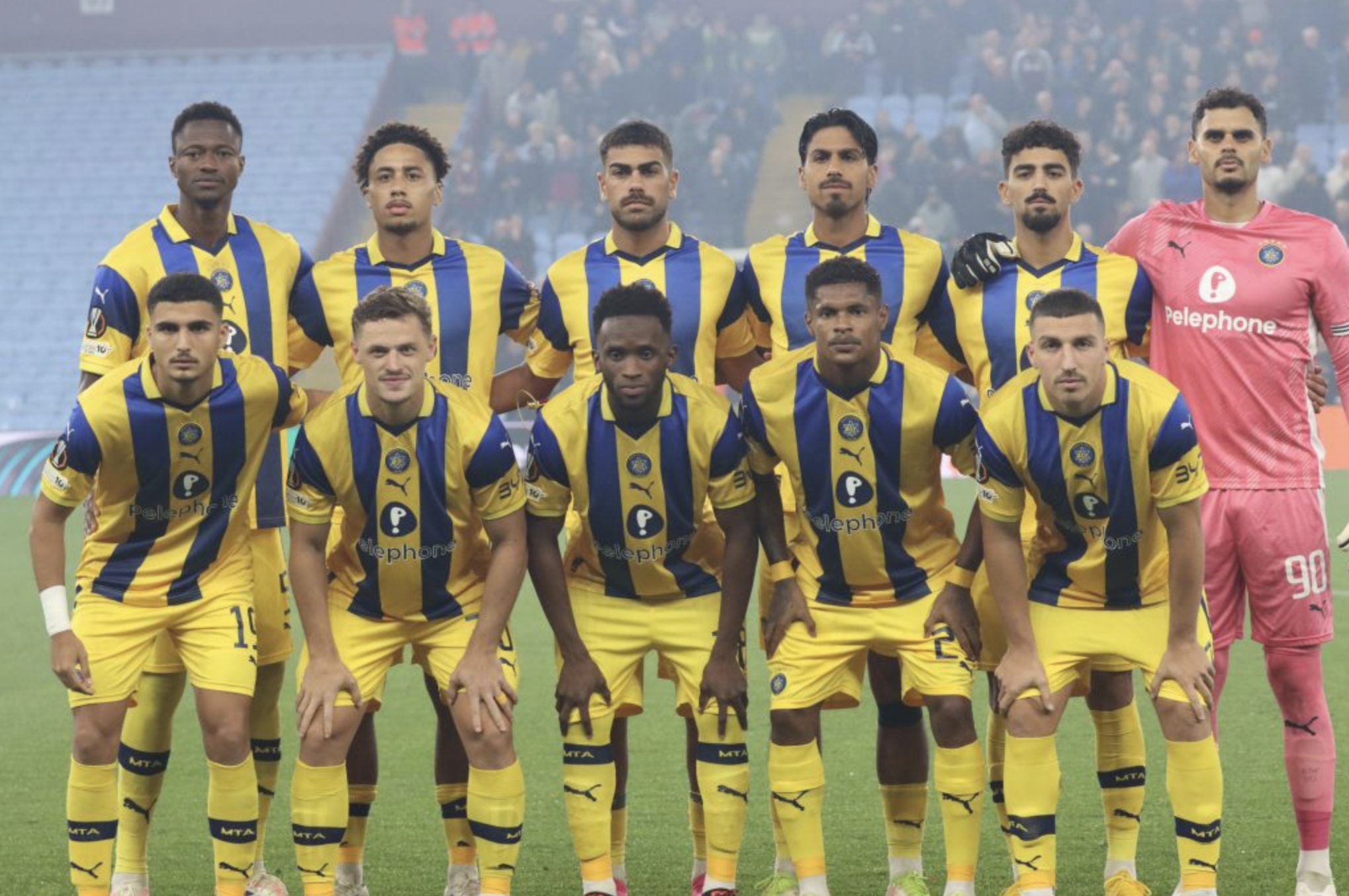
Local Protests: In October 2025, activists protested a basketball match in Tenerife involving Israeli club Bnei Herzliya, calling for its exclusion from international competition. (AS.com) (AS.com)
These campaigns illustrate how Israel’s sporting institutions, athletes, and sponsors are targeted to apply political and social pressure.
What can you do? Strategies to defend and support Israel in sport
First, Follow Israeli athletes and sports groups on social media. Stay informed about sponsorships, endorsements, and participation in international events. Amplify positive stories, successes, and cross-cultural collaborations to reinforce normalisation in sports.
Build a dedicated work group
Monitor sponsorship links, sporting events, and international competitions involving Israeli athletes.
Track social media campaigns and public narratives that may affect teams or players.
Engage decision-makers
Reach out to club executives, federation officials, and sponsors to promote transparency and fairness.
Advocate for inclusion, highlighting the principle that sport should remain a neutral and universal platform.
Apply pressure strategically
Use petitions, letter-writing campaigns, and responsible media engagement to influence corporate or institutional behavior.
Highlight examples of fair play, collaboration, and positive sporting initiatives to counter exclusionary campaigns.
Build collaborations with Israeli athletes and sports groups
Partner with athletes open to dialogue, outreach programs, and cultural exchanges.
Support initiatives that showcase Israel’s contributions to international sport.
Conclusion
Sport is a universal domain that should not allow politics. Campaigns targeting Israel politicize this arena and risk punishing athletes, fans, and local communities.
By monitoring, engaging, and building collaborative networks, supporters can help protect Israel’s place in international sport, promote fairness, and ensure that athletics remain a platform for inclusion, dialogue, and global connection.