
Protect Education
Defending Academic Freedom and Fairness for Israel
What Is Happening: How BDS Targets Education
The BDS (Boycott, Divestment and Sanctions) movement extends beyond politics and economics — it has built an active presence across the global education system. Its strategy in education derives from a wider anti-normalization doctrine common in the Arab world: a refusal to acknowledge the right of Israel to exist, and to engage with Israeli individuals or institutions in any form of collaboration, exchange, or recognition.
This approach seeks to isolate Israel intellectually and culturally, discouraging dialogue, cooperation, or balanced study about the country or its people.
BDS activism affects every level of education, from K–12 schools and teacher unions to universities and research institutions.
Areas of Impact
K–12
Curriculum Pressure: Some educational materials or classroom resources omit or misrepresent Israel, presenting one-sided narratives about the region.
Teacher Training: Activists sometimes pressure education departments to exclude Israeli perspectives or partnerships in professional development.
Cultural Exchanges: Student exchange programs with Israeli schools may be targeted or quietly discontinued under “solidarity” campaigns.
Classroom Climate: In certain schools, Jewish or Israeli students report feeling marginalized or intimidated during political discussions or activist events.
Teacher Unions and Professional Associations
Union Resolutions: A number of teacher unions (in the UK, U.S., and Australia, for example) have adopted or debated BDS-aligned motions calling to cut ties with Israeli academic institutions.
Conferences and Publications: Some unions host sessions promoting boycotts or disinvestment from Israel, which can influence educators’ attitudes toward Israeli cooperation.
Policy Influence: Union-backed political advocacy can affect education policy, curriculum choices, and international partnership guidelines.
Workplace Climate: Educators who oppose BDS or express pro-Israel views may face peer pressure or social isolation within professional circles.
Universities and Academia
Student Unions: Student governments often vote on symbolic or binding resolutions calling to boycott Israeli universities or companies that collaborate with Israel.
Academic Unions: Groups like the American Studies Association and parts of the UK University and College Union have endorsed academic boycotts, discouraging research cooperation with Israeli institutions.
Curriculum and Research: Pressures to exclude Israeli authors, scholars, or case studies can distort academic freedom and narrow intellectual diversity.
Harassment and Campus Climate: Israeli and Jewish students, or those seen as pro-Israel, have faced disruptions, exclusion from events, and online harassment.
Institutional Policy: Campaigns may push for universities to divest from Israel-linked investments or end exchange programs with Israeli partners.
Consequences
Erode academic freedom: Limiting which voices and institutions can be heard undermines open inquiry.
Damage collaboration: Cutting academic and research partnerships reduces innovation, cultural exchange, and scientific progress.
Create hostile environments: Jewish and Israeli students or staff can face harassment or bias on campuses and in schools.
Distort education: Pressure to frame curricula or research through a political lens replaces balanced study with ideological activism.
Undermine inclusion: Education becomes a battleground instead of a space for critical thinking and cooperation.
What You Can Do: Protect Education
Build Awareness
Track BDS-related motions in teacher unions, student governments, and academic associations.
Monitor curriculum materials and textbooks for accuracy and balance regarding Israel.
Share verified resources to promote the truth about Israel.
Engage and Collaborate
Reach out to school boards, university leaders, and educators to promote academic fairness.
Support partnerships and exchange programs with Israeli schools, universities, and NGOs.
Encourage open dialogue and joint research across national and cultural lines.
Empower Students and Educators
Create safe channels for Jewish and Israeli students or teachers to report bias or harassment.
Offer training and resources on how to respond to misinformation respectfully and effectively.
Support educators who stand up for fairness, inclusion, and academic freedom.
Strengthen Positive Narratives
Highlight Israel’s innovation in education, science, and humanitarian cooperation.
Promote student and faculty exchange programs that model coexistence and learning.
Encourage public celebration of collaboration — not division — in education.
Conclusion
Education should be a place for exploration, not exclusion.
BDS’s impact on K-12, teacher unions, and universities risks turning classrooms into arenas of ideology rather than learning. Protecting education means safeguarding academic freedom, ensuring diversity of thought, and reaffirming that cooperation and curiosity — not boycotts — are the foundation of meaningful learning.
-

Based on a real win case
-
End Hatred in education
-
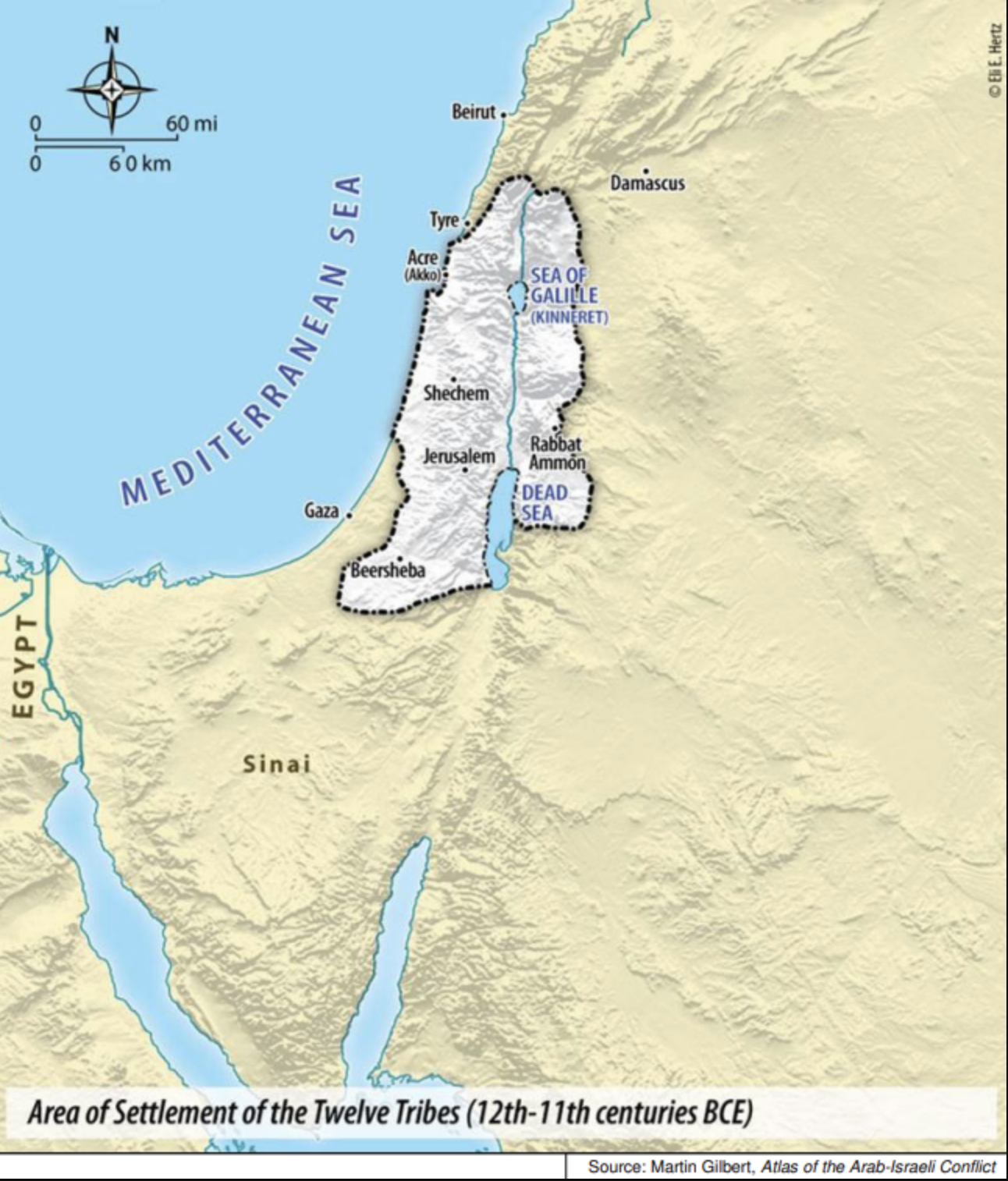
Camera Education Resources
-
-
American Jewish University