Israel’s Allies and Supportive Communities
Israel has long maintained a diverse range of allies, spanning religious, ethnic, and international partnerships. Understanding these relationships provides insight into Israel’s geopolitical and cultural connections.
The Druze Community
The Druze are a religious minority primarily found in Israel, Lebanon, and Syria. In Israel, the Druze community is known for its loyalty to the state:
Military Service: Druze citizens serve in the Israeli Defense Forces (IDF) and hold significant positions in government and law enforcement.
Cultural Integration: Despite being a small minority, the Druze maintain a unique religious identity while actively participating in Israeli civic life.
Strategic Ally: The Druze often act as intermediaries in regional matters due to their cross-border presence and cultural connections.
The Kurdish People
The Kurds, an ethnic group spread across Iraq, Syria, Turkey, and Iran, have historically had a cooperative relationship with Israel:
Shared Interests: Both Israel and Kurdish groups have viewed common adversaries in certain regional powers, creating informal strategic ties.
Military & Intelligence Cooperation: Israel has reportedly provided training, technology, and support to Kurdish forces, particularly in Iraq.
Cultural Support: Israel has supported Kurdish cultural autonomy and independence aspirations, strengthening people-to-people relations.
Christian Communities
Christian groups in Israel and abroad have historically played an important role in supporting Israel:
Local Christians in Israel: Arab Christians in Israel contribute to the economy, education, and civil society while fostering interfaith dialogue.
International Christian Support: Evangelical Christians, especially in the United States, are strong advocates for Israel politically and financially.
Religious Sites: Christians value Israel for its holy sites, contributing to tourism and cultural preservation.
Iranians and the “Persian Connection”
While Iran as a state is hostile toward Israel, certain Iranian groups and individuals maintain supportive ties:
Persian Jews: Iran is home to a historic Jewish community, many of whom migrated to Israel and maintain cultural connections.
Informal Networks: Some Iranian intellectuals and businesses abroad have collaborated with Israeli counterparts.
Shared Heritage: These alliances are rooted in shared history and regional interests rather than official state policy.
Hindu Supporters and India-Israel Relations
India and Israel share growing political, technological, and military cooperation:
Government Relations: Diplomatic ties strengthened after 1992, with defense, agriculture, and technology agreements.
Cultural Connection: Hindu communities in India admire Israel’s innovation, agriculture techniques, and security model.
Strategic Cooperation: Both nations share concerns over terrorism and regional stability, enhancing military and intelligence collaboration.
The Abraham Accords
The Abraham Accords are a landmark in Israel’s recent diplomatic expansion:
Signatory Nations: United Arab Emirates, Bahrain, Morocco, and Sudan officially normalized relations with Israel starting in 2020.
Economic & Security Benefits: The accords opened trade, tourism, technology, and defense collaborations.
Peace and Diplomacy: These agreements symbolize a shift toward broader acceptance of Israel in the Middle East.
Conclusion
Israel’s network of allies is diverse, encompassing local minorities like the Druze and Kurds, religious groups such as Christians, diaspora communities including Persian Jews, and broader international partners like Hindus in India and nations in the Abraham Accords. These alliances are political, cultural, and strategic, reflecting Israel’s complex global connections.

-
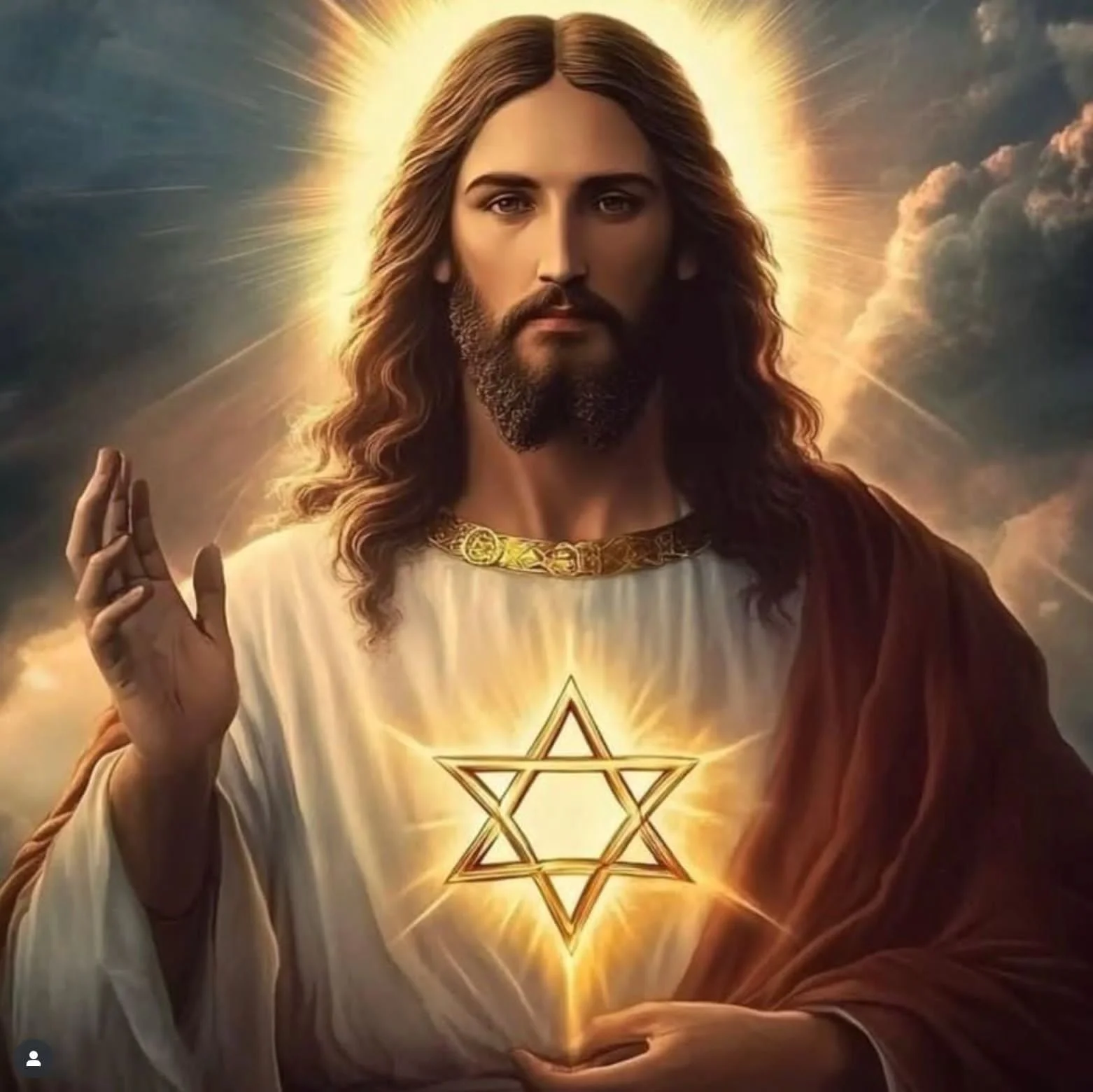
#JesusIsJewish
-